


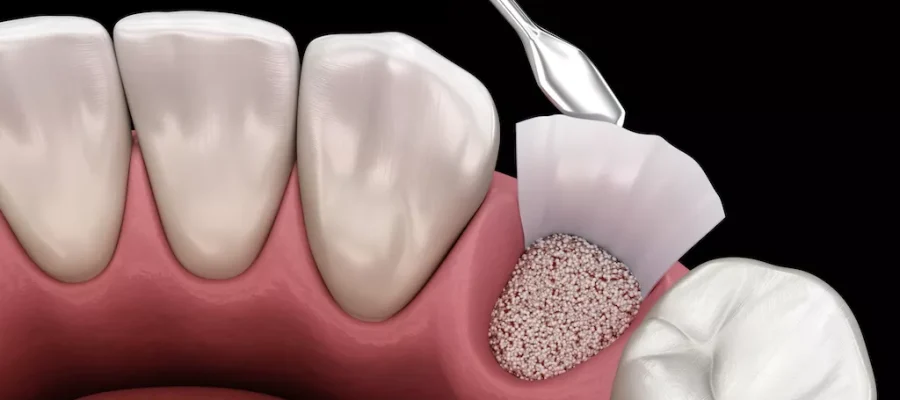
Bone Grafting in Turkey is a commonly performed dental procedure designed to restore or build up jawbone volume in patients who have experienced bone loss due to missing teeth, gum disease, or trauma. By strengthening the jawbone, bone grafting creates a stable foundation for dental implants and helps ensure long-term treatment success. With experienced dental surgeons, modern clinics, and internationally recognized standards of care, Turkey has become a trusted destination for safe and effective bone grafting procedures as part of comprehensive implant treatment plans.
What Is Bone Grafting?
Bone grafting is a dental and surgical procedure used to rebuild or increase jawbone volume in areas where bone has been lost. Bone loss often occurs after tooth loss, gum disease, or trauma, and it can make implant placement difficult or impossible. Bone grafting restores the necessary bone structure, creating a strong and stable base for dental implants.
The procedure involves placing bone material into the affected area, which gradually integrates with the existing bone. Over time, the graft stimulates natural bone regeneration, allowing the jaw to regain strength and density.
Why Is Bone Grafting Needed Before Dental Implants?
Dental implants require sufficient bone volume and density to remain stable and successful. When the jawbone is too thin or weak, an implant may not properly integrate, increasing the risk of failure. Bone grafting addresses this issue by rebuilding the bone to support the implant securely.
Bone grafting is often needed when teeth have been missing for a long time, as the jawbone naturally shrinks without stimulation. By restoring bone structure before implant placement, the procedure improves implant stability, longevity, and overall treatment success.
Benefits of Getting Bone Grafting in Turkey
Choosing bone grafting in Turkey offers several advantages for international patients:
- High-quality treatment using internationally certified materials
- Experienced dental surgeons specializing in implant preparation
- Modern clinics with advanced imaging and surgical technology
- Comprehensive care as part of implant treatment plans
- Personalized treatment planning for optimal outcomes
Turkey’s strong medical tourism infrastructure also ensures a comfortable and well-organized patient experience.
Types of Bone Grafts Used in Turkey
Dental clinics in Turkey use several types of bone graft materials, selected based on the patient’s needs and clinical condition:
- Autograft: Bone taken from the patient’s own body, offering excellent compatibility
- Allograft: Donor bone sourced from human tissue banks
- Xenograft: Bone material derived from animal sources, commonly bovine
- Synthetic grafts: Man-made materials designed to support bone regeneration
Each type has specific advantages, and the choice depends on bone volume, healing requirements, and treatment goals.
How the Bone Grafting Procedure Works
The bone grafting procedure begins with a detailed examination and imaging to assess bone loss. Once the treatment plan is finalized, the graft material is placed into the area requiring bone augmentation under local anesthesia or sedation.
After placement, the grafted area is secured and allowed to heal. Over the following weeks or months, the graft integrates with the natural bone, creating a solid foundation. Once healing is complete, dental implants can be safely placed with improved stability and long-term success.
Is Bone Grafting Painful?
Bone grafting is generally not painful during the procedure because it is performed under local anesthesia or sedation. Patients typically feel pressure rather than pain while the graft is being placed. Modern techniques and careful planning help ensure a comfortable experience throughout the treatment.
After the procedure, mild to moderate discomfort, swelling, or tenderness may occur as part of the normal healing process. These symptoms are usually manageable with prescribed pain medication and gradually improve within a few days. Severe or long-lasting pain is uncommon and should be evaluated by a dentist if it occurs.
Healing Time After Bone Grafting
Healing time after bone grafting varies depending on the size of the graft, the type of graft material used, and the patient’s overall health. Initial healing of the gums usually takes one to two weeks, during which swelling and sensitivity gradually decrease.
Complete bone regeneration and integration typically take several months. During this period, the grafted bone strengthens and becomes suitable for implant placement. Your dentist will monitor healing progress through follow-up visits and imaging before proceeding with implants.
Risks and Complications of Bone Grafting
Bone grafting is a safe and commonly performed procedure, but like any surgical treatment, it carries some potential risks:
- Swelling, bruising, or temporary discomfort
- Infection at the graft site
- Delayed healing or graft integration
- Graft resorption or insufficient bone formation
- Rare allergic reactions to graft materials
Most risks are minimized by proper planning, sterile techniques, and following post-operative care instructions closely.
How Long After Bone Grafting Can I Get Implants?
The timing for dental implant placement after bone grafting depends on how quickly the graft integrates with the natural bone. In many cases, implants can be placed several months after the grafting procedure once sufficient bone strength is achieved.
Some minor grafts may allow for implant placement sooner, while larger grafts require a longer healing period. Your dentist will determine the appropriate timing based on healing progress and imaging results to ensure optimal implant stability.
Success Rate of Bone Grafts in Turkey
Bone grafting procedures in Turkey have a high success rate when performed by experienced dental surgeons using quality materials. Success depends on factors such as graft type, surgical technique, patient health, and adherence to aftercare instructions.
With proper case selection and follow-up care, bone grafting effectively restores jawbone volume and supports long-term dental implant success for most patients.
How to Prepare for Bone Grafting Surgery
Preparing properly for bone grafting surgery helps ensure a smoother procedure and faster recovery. Before the treatment, your dentist will perform a detailed examination, including X-rays or 3D scans, to assess bone loss and plan the graft. It is important to share your full medical history, current medications, and any allergies during this stage.
In the days leading up to surgery, patients are usually advised to avoid smoking and limit alcohol consumption, as these can negatively affect healing. Following any pre-operative instructions given by your dentist—such as fasting if sedation is planned—will help reduce complications and support successful bone integration.
Can Bone Grafting Be Done During Implant Surgery?
Yes, bone grafting can sometimes be performed at the same time as dental implant surgery, depending on the amount of bone loss and overall jaw condition. When bone deficiency is mild, dentists may place the implant and graft simultaneously, reducing the total treatment time.
However, in cases of significant bone loss, bone grafting is often done as a separate procedure before implant placement. This allows the grafted bone to heal and strengthen properly, creating a stable foundation for implants. The decision is made after careful evaluation to maximize long-term implant success.
Bone Grafting Turkey Prices 2026
Bone grafting prices in Turkey in 2026 vary based on several factors, including the type of graft material used, the size of the graft, and whether it is combined with implant surgery. Each patient receives a personalized treatment plan, which directly affects overall costs.
Rather than a fixed price, the focus is on delivering safe, high-quality treatment using internationally approved materials and modern techniques. For Bone Grafting Turkey prices, contact us today.
Frequently Asked Questions
How much does bone grafting cost in Turkey?
Bone grafting costs in Turkey vary depending on the type of graft material, the size of the graft, and whether it is combined with implant surgery. Pricing is personalized for each patient based on their treatment plan. For accurate details, a consultation is recommended.
Is bone grafting safe in Turkey?
Yes, bone grafting is generally safe in Turkey when performed in licensed clinics by experienced dental surgeons. Many clinics use internationally certified materials and follow strict hygiene and safety standards.
Do all patients need bone grafting before implants?
No, not all patients require bone grafting. It is only necessary when there is insufficient bone volume or density to support a dental implant. This is determined through imaging and clinical evaluation.
What kind of bone is used for grafting in Turkey?
Clinics in Turkey commonly use autografts (patient’s own bone), allografts (donor bone), xenografts (animal-derived), or synthetic bone materials. The choice depends on the patient’s needs and clinical condition.
How long does bone grafting take to heal?
Initial gum healing usually occurs within one to two weeks, while full bone integration can take several months. Healing time varies depending on the graft size and type.
Can I travel right after a bone graft procedure?
Most patients can travel shortly after bone grafting, especially if the procedure is minor. However, short follow-up visits may be recommended, so travel plans should be coordinated with your dentist.
Is general anesthesia used for bone grafting?
Bone grafting is typically performed under local anesthesia. In some cases, sedation or general anesthesia may be used depending on the complexity of the procedure and patient preference.
Will bone grafting change my face shape?
Bone grafting is designed to restore bone structure rather than alter facial appearance. In some cases, it may help improve facial support by preventing further bone loss.
Can I get implants immediately after bone grafting?
Immediate implant placement is possible in some cases, but often implants are placed after the graft has healed and integrated. Your dentist will decide the best timing for implant placement.
Is there a risk of bone graft failure?
While bone grafting has a high success rate, there is a small risk of graft failure. This risk is minimized by proper planning, quality materials, and following post-operative care instructions.