


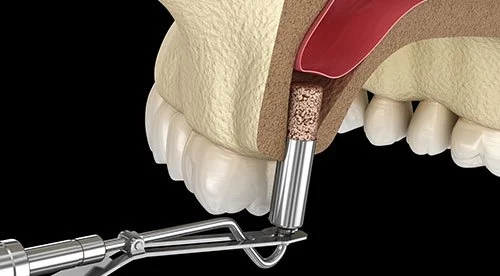
Sinus Lift in Turkey is a specialized dental procedure performed to increase bone height in the upper jaw, particularly in the back teeth area where the sinus cavity is located. When there is not enough bone to support dental implants in this region, a sinus lift creates the necessary space by gently elevating the sinus membrane and placing bone graft material underneath. With experienced dental surgeons, modern clinics, and internationally recognized standards of care, Turkey has become a trusted destination for safe and effective sinus lift procedures as part of advanced implant treatment plans.
What Is a Sinus Lift?
A sinus lift is an advanced dental surgical procedure designed to increase the amount of bone in the upper jaw, specifically in the area of the premolars and molars where the maxillary sinuses are located. In this region, the bone height can be limited due to natural anatomy, long-term tooth loss, gum disease, or sinus expansion over time. When there is not enough bone to securely anchor dental implants, a sinus lift becomes necessary.
During the procedure, the sinus membrane is gently elevated upward, and bone graft material is placed into the newly created space. Over time, this graft integrates with the existing jawbone, increasing bone volume and strength. This creates a stable and safe foundation for dental implants, significantly improving implant success rates in the upper jaw.
Why Is a Sinus Lift Needed Before Dental Implants?
Dental implants require sufficient bone height and density to remain stable and function properly. In the upper jaw, especially the back teeth area, bone loss can occur more rapidly after tooth extraction. As bone resorbs and the sinus cavity naturally expands, the remaining bone may become too thin to support an implant.
A sinus lift is needed to address this limitation by rebuilding lost bone and protecting the sinus cavity. Without this procedure, implants placed in an area with insufficient bone may fail or cause complications. By increasing bone volume, a sinus lift allows implants to be placed in the correct position, improving long-term durability, function, and comfort.
Benefits of Getting a Sinus Lift in Turkey
Undergoing a sinus lift in Turkey offers both medical and practical advantages for international patients seeking reliable implant preparation:
- Highly experienced dental surgeons with specialization in advanced implant surgery
- Modern dental clinics equipped with 3D imaging and precision surgical tools
- Use of internationally approved bone graft materials
- Comprehensive treatment planning tailored to individual anatomy
- High standards of safety, hygiene, and patient care
- Well-established medical tourism services ensuring smooth treatment coordination
These benefits make Turkey a trusted destination for complex dental procedures such as sinus lift surgery.
How Does the Sinus Lift Procedure Work?
The sinus lift procedure starts with a detailed consultation, including digital imaging such as CBCT scans, to evaluate sinus anatomy and existing bone structure. Once the treatment plan is finalized, the procedure is performed under local anesthesia or sedation to ensure patient comfort.
The dentist carefully accesses the sinus cavity through the upper jaw and gently lifts the sinus membrane without damaging it. Bone graft material is then placed beneath the membrane to increase bone height. After the area is closed, a healing period begins, allowing the grafted bone to integrate naturally. Once sufficient healing has occurred, dental implants can be placed safely with improved stability.
Types of Sinus Lift Techniques
The choice of sinus lift technique depends on the amount of bone available and the level of augmentation required:
- Lateral window sinus lift: This technique is used when there is significant bone loss and a larger volume of bone graft is needed. It provides direct access to the sinus cavity and allows precise placement of graft material.
- Crestal (internal) sinus lift: This less invasive method is suitable when only a small increase in bone height is required. It is performed through the implant site itself and is often combined with implant placement.
Both techniques are safe and effective when performed by experienced professionals, and the appropriate method is selected based on individual clinical needs.
Who Is a Good Candidate for Sinus Lift Surgery?
Sinus lift surgery is recommended for patients who need dental implants in the upper jaw but do not have enough bone height to support them safely. Bone loss in this area is common after tooth extractions, long-term tooth loss, periodontal disease, or natural expansion of the sinus cavity over time. When the bone between the jaw and the sinus is too thin, a sinus lift becomes an essential preparatory procedure.
Good candidates typically include:
- Individuals missing one or more upper molars or premolars
- Patients with insufficient vertical bone height in the posterior upper jaw
- People who have experienced bone loss due to prolonged tooth absence
- Patients in generally good health without uncontrolled systemic diseases
- Non-smokers or those willing to stop smoking during the healing phase
- Individuals planning long-term dental implant treatment
A comprehensive dental examination with advanced imaging is always required to confirm suitability and select the most appropriate surgical technique.
Is Sinus Lift Painful?
Sinus lift surgery is usually well tolerated by patients and is not painful during the procedure. Local anesthesia is commonly used, and in some cases sedation may be offered to enhance comfort. During surgery, patients may feel pressure or vibration but should not experience sharp pain.
After the procedure, it is normal to experience mild to moderate swelling, tenderness, or a feeling of fullness in the sinus area. These sensations are temporary and typically peak within the first few days before gradually subsiding. Pain is generally manageable with prescribed medications, and most patients report that recovery discomfort is less intense than expected.
Healing Time After a Sinus Lift
Healing after a sinus lift occurs in stages. Initial soft tissue healing usually takes about one to two weeks, during which swelling and minor discomfort gradually decrease. Patients are advised to avoid activities that increase sinus pressure, such as blowing the nose forcefully or heavy lifting, during this early phase.
Complete bone healing and integration of the graft material take longer, typically four to six months, depending on the amount of grafting and individual healing capacity. This period is crucial for allowing the grafted bone to mature and become strong enough to support dental implants. Regular follow-up appointments help ensure healing is progressing as expected.
Risks and Complications of Sinus Lift Surgery
Sinus lift surgery is considered a predictable and safe procedure when performed by experienced surgeons, but it does carry some potential risks:
- Temporary swelling, bruising, or discomfort
- Infection at the surgical site
- Perforation or irritation of the sinus membrane
- Delayed healing or incomplete graft integration
- Temporary sinus congestion or pressure sensations
Most complications are rare and can be effectively managed when identified early. Careful surgical planning, sterile techniques, and strict adherence to post-operative instructions significantly reduce these risks.
Can Implants Be Placed Right After Sinus Lift?
In certain cases, dental implants can be placed at the same time as a sinus lift, particularly when there is enough existing bone to provide initial implant stability. This approach can shorten the overall treatment timeline and reduce the number of surgical procedures required.
However, when bone loss is more extensive, implant placement is usually delayed until the graft has fully healed and integrated. This staged approach ensures a stronger foundation and increases the long-term success rate of the implants. The decision is always made on a case-by-case basis following detailed imaging and clinical evaluation.
Success Rate of Sinus Lifts in Turkey
Sinus lift procedures performed in Turkey have a high success rate, especially when carried out in modern clinics by experienced dental surgeons. The use of advanced imaging, precise surgical techniques, and internationally certified graft materials contributes to reliable outcomes.
Success depends on factors such as patient health, bone quality, surgical expertise, and compliance with aftercare recommendations. With proper planning and follow-up care, sinus lifts in Turkey effectively create the necessary bone support for dental implants, leading to stable and long-lasting implant results.
What to Expect During and After the Procedure
Before the sinus lift procedure begins, a detailed consultation and 3D imaging are performed to evaluate sinus anatomy and bone height. On the day of surgery, the procedure is carried out under local anesthesia or sedation to ensure comfort. During the operation, the dentist carefully lifts the sinus membrane and places bone graft material into the space created, a process that is typically well tolerated and controlled.
After the procedure, mild swelling, pressure, or tenderness in the upper jaw and sinus area is normal. These effects usually peak within the first few days and gradually improve. Patients are advised to follow specific aftercare instructions, including avoiding nose blowing and heavy physical activity, to support healing. Regular follow-up visits help monitor recovery and ensure proper graft integration.
How to Prepare for a Sinus Lift in Turkey
Preparation for a sinus lift in Turkey begins with sharing dental records, X-rays, or scans for pre-treatment evaluation. This allows the dental team to plan the procedure accurately before your arrival. A personalized treatment plan is then created based on bone structure and implant goals.
In the days leading up to surgery, patients are typically advised to stop smoking and limit alcohol consumption, as these can interfere with healing. Following all pre-operative instructions, including medication guidelines and fasting if sedation is planned, helps ensure a smooth and safe procedure.
Sinus Lift vs Bone Grafting: What’s the Difference?
While both procedures aim to increase bone volume, a sinus lift is a specific type of bone grafting performed in the upper jaw near the sinus cavity. Its purpose is to elevate the sinus membrane and add bone beneath it to create sufficient height for implants.
General bone grafting, on the other hand, can be performed anywhere in the jaw where bone loss has occurred. It does not involve the sinus unless the graft is placed in the upper posterior region. In short, all sinus lifts involve bone grafting, but not all bone grafts are sinus lifts.
Sinus Lift Turkey Prices 2026
Sinus lift prices in Turkey in 2026 depend on several factors, including the type of sinus lift technique used, the amount of bone graft required, and whether the procedure is combined with dental implant placement. Each patient’s treatment plan is customized, which means costs can vary.
Rather than focusing on a fixed price, it is important to consider the quality of care, surgical expertise, and materials used. For Sinus Lift Turkey prices, contact us today.
Frequently Asked Questions
How much does a sinus lift cost in Turkey?
Sinus lift costs in Turkey vary depending on the technique used, the amount of bone graft required, and whether the procedure is combined with implant placement. Pricing is personalized after clinical evaluation. For accurate information, a consultation is recommended.
Is a sinus lift necessary for upper jaw implants?
A sinus lift is necessary when there is insufficient bone height in the upper jaw, particularly in the molar and premolar regions. If enough bone is present, implants can be placed without this procedure.
Can I get a sinus lift and implant at the same time?
In some cases, a sinus lift and implant placement can be performed simultaneously, especially when initial bone stability is adequate. If bone loss is extensive, implant placement is usually delayed until healing is complete.
Is sinus lift surgery safe in Turkey?
Yes, sinus lift surgery is considered safe in Turkey when performed by experienced dental surgeons in licensed clinics. Many clinics use advanced imaging, certified graft materials, and follow international safety standards.
How long is the healing period after a sinus lift?
Initial healing typically takes one to two weeks, while full bone integration can take several months. The exact healing time depends on the extent of the procedure and individual healing capacity.
Will I feel pain or pressure during the sinus lift?
The procedure is performed under local anesthesia or sedation, so pain is not expected during surgery. Patients may feel mild pressure. Afterward, temporary swelling or discomfort is normal and manageable.
What materials are used for the sinus graft?
Sinus grafts may use autografts (patient’s own bone), allografts (donor bone), xenografts (animal-derived), or synthetic materials. The choice depends on clinical needs and surgeon preference.
Can I fly after a sinus lift procedure?
Most patients can fly after a sinus lift, but it is often recommended to wait a short period and follow your dentist’s advice. This helps reduce sinus pressure-related discomfort.
Is there a chance the sinus lift could fail?
Sinus lift procedures have a high success rate, but as with any surgery, there is a small risk of complications. Proper planning, surgical expertise, and good aftercare significantly reduce this risk.
How soon can I eat normally after the surgery?
Patients usually start with soft foods and gradually return to normal eating as healing progresses. Hard or chewy foods should be avoided during the early recovery period.