


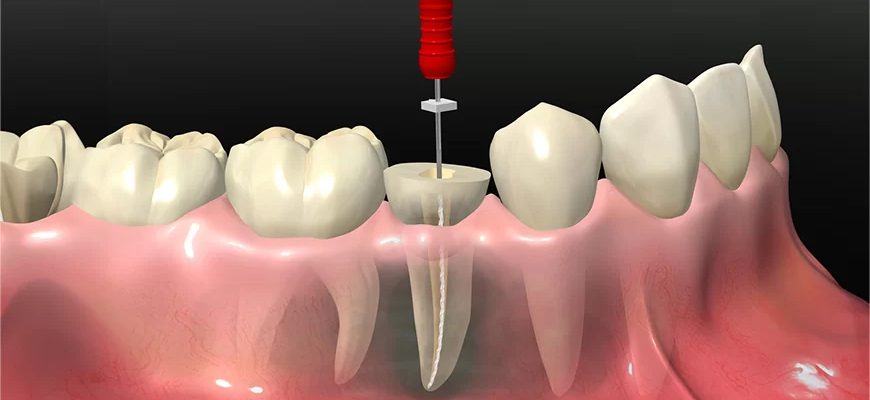
Root Canal Treatment in Turkey is a safe and effective dental procedure designed to save a damaged or infected tooth while relieving pain and restoring function. By removing the infected pulp, cleaning the root canals, and sealing the tooth, this treatment prevents further infection and eliminates the need for extraction. With experienced endodontists, modern dental clinics, and internationally recognized standards of care, Turkey has become a trusted destination for high-quality root canal treatments that offer reliable, long-lasting results.
What Is a Root Canal Treatment?
A root canal treatment is a dental procedure designed to save a tooth that has been severely damaged by decay, infection, or trauma. Inside each tooth is a soft tissue called the pulp, which contains nerves, blood vessels, and connective tissue. When this pulp becomes inflamed or infected, it can cause intense pain and may spread infection to the surrounding bone and gums if left untreated.
The purpose of root canal treatment is to remove the infected pulp, thoroughly clean and disinfect the inside of the tooth, and then seal it to prevent future bacterial contamination. By preserving the natural tooth structure, root canal treatment allows patients to maintain normal chewing function and avoid the complications that can arise from tooth extraction.
Why You Might Need a Root Canal
A root canal may be necessary when bacteria penetrate deep into the tooth and reach the pulp. This commonly occurs due to untreated cavities, cracked or broken teeth, repeated dental procedures on the same tooth, or trauma that damages the nerve. Even if a tooth does not appear visibly damaged, internal injury can still lead to pulp infection.
Symptoms that suggest the need for a root canal include persistent or throbbing tooth pain, prolonged sensitivity to hot or cold, pain when biting or chewing, swelling or tenderness in the gums, and tooth discoloration. In some cases, infection develops without obvious symptoms and is discovered during routine dental examinations, highlighting the importance of regular dental check-ups.
Benefits of Getting a Root Canal in Turkey
Getting a root canal treatment in Turkey provides both clinical and practical advantages for patients seeking reliable dental care:
- Highly experienced dentists and endodontists trained in modern techniques
- Advanced dental clinics equipped with digital imaging and precision tools
- Strict hygiene and sterilization protocols
- Focus on preserving natural teeth rather than extraction
- Efficient treatment schedules suitable for international patients
- Patient-centered care with clear communication and aftercare guidance
These factors make Turkey a trusted destination for safe, effective, and comfortable root canal treatments.
How Is Root Canal Treatment Performed?
The root canal procedure begins with a detailed examination, including X-rays, to evaluate the extent of infection and the shape of the root canals. Local anesthesia is then administered to numb the area and ensure the procedure is painless. A small access opening is created in the tooth to reach the infected pulp.
The dentist carefully removes the infected tissue and cleans the canals using specialized instruments and disinfecting solutions. Once the canals are shaped and fully cleaned, they are filled with a biocompatible material and sealed. In most cases, the tooth is then restored with a filling or crown to protect it and restore strength and functionality.
Is Root Canal Treatment Painful?
With modern dentistry, root canal treatment is generally painless. The use of local anesthesia ensures that patients do not feel pain during the procedure. In fact, many patients experience immediate relief once the infected pulp is removed, as the source of pain is eliminated.
After the treatment, mild soreness or sensitivity may occur as the surrounding tissues heal. This discomfort is usually temporary and can be managed with over-the-counter pain medication. Severe pain after a root canal is uncommon and should be reported to the dentist for evaluation.
Aftercare and Recovery from Root Canal Treatment
After a root canal treatment, most patients experience a smooth and relatively quick recovery. The treated tooth and surrounding tissues may feel slightly tender for a few days, especially if there was significant infection before the procedure. This is a normal part of the healing process and usually improves steadily.
To support recovery and protect the treated tooth, it is important to follow proper aftercare guidelines:
- Avoid eating or drinking until numbness completely wears off
- Chew on the opposite side of the mouth for the first few days
- Stay away from hard, crunchy, or sticky foods that may stress the tooth
- Maintain good oral hygiene with gentle brushing and flossing
- Take any prescribed medications exactly as directed
- Attend follow-up appointments if recommended by your dentist
With these measures, most patients can return to normal daily activities shortly after treatment.
Can a Crown Be Placed After a Root Canal?
Yes, placing a crown after a root canal is very common and often strongly recommended, especially for molars and premolars. Once the pulp is removed, the tooth no longer receives nutrients from the nerve, which can make it more brittle over time. A crown helps protect the tooth from cracking or breaking under chewing pressure.
In some cases, the crown can be placed shortly after the root canal, while in others it may be scheduled at a later visit. Your dentist will determine the best timing based on the tooth’s condition and how much structure remains. Proper restoration with a crown significantly increases the longevity of the treated tooth.
How Long Does a Root Canal Last?
A properly performed root canal treatment can last many years and often a lifetime. The long-term success of the treatment depends on factors such as thorough cleaning of the canals, quality of the seal, and placement of a protective restoration like a crown.
Good oral hygiene, regular dental check-ups, and avoiding habits like teeth grinding all contribute to extending the lifespan of a root canal-treated tooth. When well maintained, the treated tooth can function just like a natural, healthy tooth.
Can I Travel Right After a Root Canal in Turkey?
Most patients are able to travel immediately or shortly after a root canal treatment in Turkey. The procedure is minimally invasive, and recovery is usually quick. Mild sensitivity or discomfort may be present but rarely interferes with travel plans.
If additional appointments are needed for crown placement or follow-up checks, travel should be planned accordingly. Your dentist will provide guidance on any precautions to take, especially if flying or traveling long distances.
Root Canal Turkey Prices 2026
Root canal treatment prices in Turkey in 2026 depend on several factors, including the tooth being treated, the number of root canals, and the complexity of the infection. Molars with multiple canals may require more extensive treatment compared to front teeth.
Rather than offering fixed pricing, clinics provide personalized treatment plans based on individual needs and diagnostic findings. This approach ensures effective and long-lasting results. For Root Canal Turkey prices, contact us today.
Frequently Asked Questions
How much does a root canal cost in Turkey?
Root canal costs in Turkey vary depending on the tooth type, number of canals, and complexity of the infection. Pricing is determined after examination and imaging. For accurate details, a consultation is recommended.
Is it safe to get a root canal in Turkey?
Yes, root canal treatment is generally safe in Turkey when performed in licensed clinics by experienced dentists. Many clinics follow international standards and use modern equipment and sterilization protocols.
How long does a root canal take?
A root canal typically takes between 45 minutes and 90 minutes per session. The exact duration depends on the tooth location and the number of canals being treated.
Do I need a crown after a root canal?
In many cases, especially for back teeth, a crown is recommended after a root canal to protect the tooth from fracture and restore strength. Front teeth may sometimes only require a filling.
Is a root canal painful during or after the procedure?
With local anesthesia, a root canal is usually not painful during the procedure. Mild tenderness or sensitivity afterward is normal and typically resolves within a few days.
Can I eat normally after a root canal?
You can usually eat after the numbness wears off, but it is best to avoid hard or sticky foods initially. Normal eating can gradually resume as comfort improves.
How many visits are required for a root canal in Turkey?
Some root canals are completed in a single visit, while others may require two or more visits depending on infection severity and tooth anatomy.
What happens if I delay root canal treatment?
Delaying a root canal can allow the infection to spread, leading to increased pain, abscess formation, bone loss, or eventual tooth loss requiring extraction.
Do Turkish clinics use microscopes or laser-assisted methods?
Many modern Turkish dental clinics use advanced technologies such as dental microscopes, rotary instruments, and laser-assisted methods to improve precision and treatment success.
Are antibiotics needed after a root canal?
Antibiotics are not always necessary after a root canal. They are prescribed only if there is significant infection or swelling, based on the dentist’s clinical assessment.