


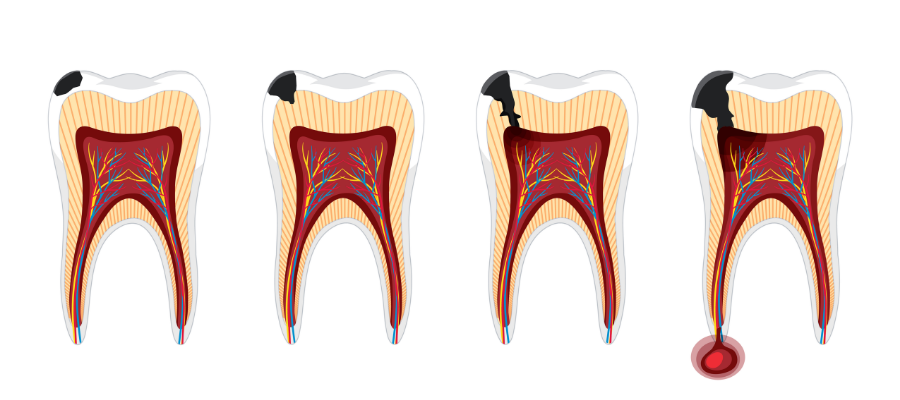
Maintaining dental health is crucial for overall well-being. Tooth decay, also known as dental caries, is one of the most common dental problems and can lead to serious complications if left untreated. Many people wonder how to understand if tooth decay is progressing, as early detection is essential for preventing severe damage. In this article, we will explore the early and advanced signs of tooth decay, risk factors, and the steps you can take to protect your teeth.
Early Signs of Tooth Decay
At the beginning, tooth decay may not show any noticeable symptoms. However, some early indicators can help you understand if your teeth are at risk:
- Sensitivity: Experiencing brief pain or discomfort when consuming hot, cold, or sweet foods and drinks.
- Visible spots: White or brown spots on the enamel can indicate the first stages of decay.
- Surface irregularities: Tiny pits or rough areas on the tooth surface suggest enamel erosion.
Recognizing these early signs and consulting your dentist promptly can prevent the decay from progressing further.
Pain and Discomfort as Indicators of Progressing Tooth Decay
As tooth decay advances, it reaches the deeper layers of the tooth, causing more noticeable discomfort. Key signs include:
- Persistent pain: Especially during nighttime or while resting, indicating decay has reached the inner layers.
- Enamel perforation: Visible holes or cavities on the tooth surface are clear evidence that decay is progressing.
- Gum discomfort: In some cases, decay near the gum line can lead to swelling and tenderness.
These symptoms often indicate that the decay has affected not only the enamel but also the dentin and potentially the dental pulp. Understanding how to understand if tooth decay is progressing often comes down to recognizing these persistent pain and visual changes.
Risk Factors That Accelerate Tooth Decay
Several factors can increase the likelihood of tooth decay progression:
- Poor oral hygiene: Irregular brushing and flossing allow plaque and bacteria to accumulate.
- Sugary and acidic foods: Frequent consumption of sweets and carbonated drinks weakens enamel.
- Weak enamel: Genetic factors or age can make enamel more vulnerable.
- Cracks or fractures in teeth: Bacteria can easily enter and cause rapid decay.
Being aware of these risk factors and addressing them proactively can significantly slow down tooth decay progression.
Visual and Physical Signs of Advancing Tooth Decay
Recognizing visual and physical indicators is crucial in understanding how to understand if tooth decay is progressing:
- Dark spots: Ranging from yellow to brown or black, indicating enamel deterioration.
- Tooth deformation: Changes in shape or structure, especially on chewing surfaces or edges.
- Bad breath: Persistent decay can cause noticeable halitosis.
- Pressure sensitivity: Pain when biting or applying pressure on the affected tooth.
These signs often suggest that the decay has reached the dentin or even the pulp, requiring professional dental care.
Preventing Tooth Decay from Progressing
Preventing tooth decay from advancing involves consistent dental care and lifestyle choices:
- Regular dental check-ups: Visiting your dentist every six months allows early detection and treatment.
- Daily oral hygiene: Brushing twice a day with fluoride toothpaste and using dental floss.
- Healthy diet: Limiting sugary and acidic foods to protect enamel.
- Enamel-strengthening products: Using fluoride mouthwashes or toothpaste to fortify teeth.
- Early intervention: Treating small cavities with fillings or preventive measures stops decay before it progresses.
Conclusion
Maintaining good dental hygiene is key to preserving your overall health and quality of life. Knowing how to understand if tooth decay is progressing helps you recognize early symptoms such as sensitivity, visible spots, and persistent pain. By taking preventive measures, practicing proper oral care, and visiting your dentist regularly, you can stop tooth decay from worsening and protect your teeth for years to come.
Remember, delayed treatment can lead to tooth loss and more complex dental problems. Observing your teeth for warning signs and acting promptly is critical for both health and comfort.