


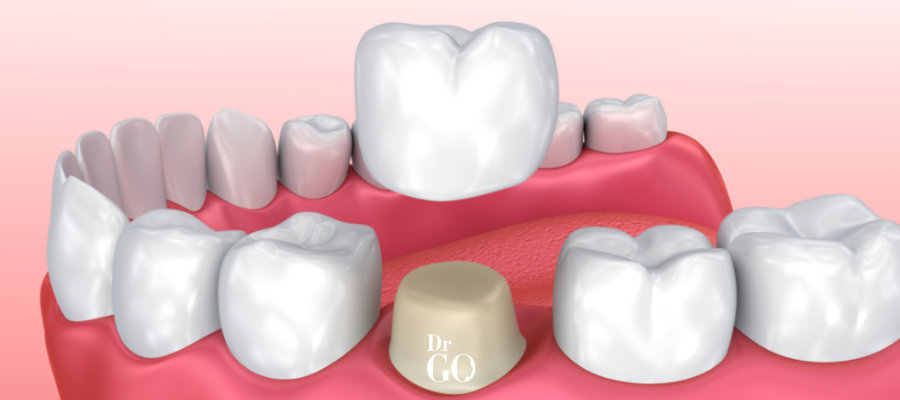
Dental crowns are one of the most reliable solutions in modern dentistry for restoring damaged, weakened, or aesthetically compromised teeth. Whether placed after root canal treatment, large fillings, fractures, or for cosmetic enhancement, the long-term success of a dental crown depends not only on its design and material but also on one critical factor that patients often overlook: the dental adhesive used to bond the crown to the tooth.
At DRGO Smile Dental Clinic, we believe that understanding every step of your treatment helps you make informed decisions and achieve lasting results. In this article, we explain what dental adhesives for crowns are, how they work, the different types available, and why proper cementation is essential for durability, comfort, and oral health.
What Is Dental Adhesive for Crowns?
Dental adhesive, also referred to as dental cement, is the material used to permanently bond a dental crown to the prepared natural tooth. Its role is not simply to “glue” the crown in place, but to create a strong, sealed interface that protects the tooth from bacteria, distributes chewing forces evenly, and maintains long-term stability.
A well-chosen dental adhesive ensures that the crown remains secure while also preserving the health of the underlying tooth structure and surrounding gums.
Why the Right Dental Cement Matters
Choosing the correct dental adhesive is a clinical decision based on multiple factors, including:
- Crown material (zirconia, porcelain, E-Max, metal-ceramic)
- Tooth condition and remaining structure
- Bite forces and functional demands
- Aesthetic requirements
- Moisture control during placement
Using an inappropriate adhesive can lead to crown loosening, marginal leakage, tooth sensitivity, or even recurrent decay beneath the crown. At DRGO Smile, adhesive selection is never a one-size-fits-all approach—it is tailored to each patient’s clinical needs.
Types of Dental Adhesives Used for Crowns
1. Resin-Based Dental Adhesives
Resin cements are among the most advanced and widely used dental adhesives today. They offer excellent bond strength, superior aesthetics, and long-term durability.
Best for:
- E-Max crowns
- All-ceramic crowns
- Veneers and aesthetic restorations
Advantages:
- Strong chemical bonding to both tooth and crown
- High resistance to chewing forces
- Minimal microleakage
- Color stability for aesthetic zones
These adhesives are commonly used in smile design and cosmetic dentistry cases at DRGO Smile.
- Glass Ionomer Cement
Glass ionomer cements bond chemically to tooth structure and release fluoride over time, which can help protect against decay.
Best for:
- Metal-based crowns
- Posterior teeth with lower aesthetic demands
Advantages:
- Fluoride release
- Easy handling
- Good long-term performance in selected cases
However, they offer lower bond strength compared to resin cements and are not ideal for all-ceramic crowns.
- Resin-Modified Glass Ionomer Cement
This hybrid cement combines properties of glass ionomer and resin cements.
Best for:
- Zirconia crowns
- Conventional crown restorations
Advantages:
- Improved strength compared to traditional glass ionomer
- Fluoride release
- Less technique-sensitive than full resin adhesives
- Temporary Dental Cement
Temporary cements are used for provisional crowns during treatment planning or healing phases.
Important note:
Temporary cement is not suitable for long-term crown fixation and should always be replaced with permanent adhesive once the final crown is ready.
Dental Adhesive and Crown Longevity
A high-quality crown placed with the correct dental adhesive can last 10–15 years or longer with proper care. Adhesive failure, on the other hand, is one of the most common reasons for crown complications.
Factors that influence longevity include:
- Proper isolation during bonding
- Precision of crown fit
- Occlusal (bite) adjustment
- Patient oral hygiene habits
At DRGO Smile Dental Clinic, we use magnification, advanced bonding protocols, and digital planning to ensure optimal adhesive performance.
Does Dental Adhesive Affect Sensitivity?
Yes—poor cementation can result in postoperative tooth sensitivity. Modern resin-based adhesives, when applied correctly, create a tight seal that protects the tooth’s nerve from temperature changes and bacterial infiltration.
If sensitivity occurs after crown placement, it is often temporary and resolves as the tooth adapts. Persistent sensitivity should always be evaluated by a dentist.
How DRGO Smile Approaches Crown Cementation
At DRGO Smile, dental adhesive selection is part of a comprehensive restorative philosophy that balances function, aesthetics, and longevity. Our approach includes:
- Digital smile design planning
- Material-specific adhesive protocols
- Precision isolation techniques
- Long-term follow-up and aftercare
Each crown is treated as a custom medical restoration—not a generic procedure.
Final Thoughts
Dental adhesive for crowns plays a crucial role in the success of restorative and cosmetic dental treatments. While often invisible to the patient, the right cement choice directly affects comfort, durability, aesthetics, and oral health.
If you are considering a dental crown or replacing an existing one, choosing an experienced clinic that prioritizes adhesive science is just as important as selecting the crown material itself.
At DRGO Smile Dental Clinic, we combine advanced dental technology with meticulous clinical protocols to ensure that every crown is bonded securely—designed to look natural, feel comfortable, and last for years.
For more information or to schedule a consultation, our expert team is always here to guide you.