


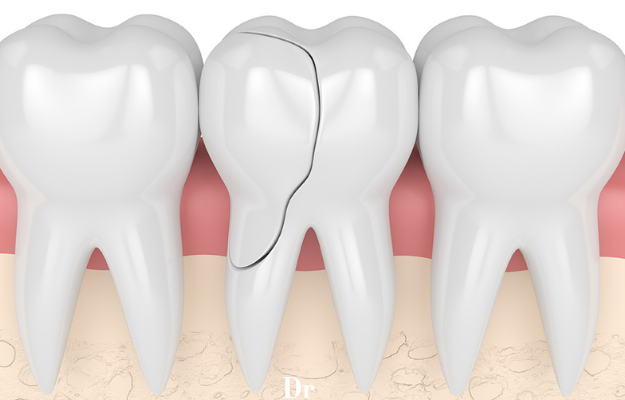
A broken tooth can happen suddenly and cause both discomfort and stress. Whether it’s the result of biting something hard, a sports injury, or existing decay, many people immediately search for a quick fix—often coming across a common product known as dental glue. While dental glue can provide temporary relief in certain situations, it’s important to understand what it is, how it works, and when it is (and isn’t) safe to use.
In this article, we’ll explore everything you need to know about dental glue for a broken tooth, including types, uses, risks, and why professional treatment is always the best long-term solution.
What Is Dental Glue?
Dental glue is a type of adhesive designed to temporarily secure a loose tooth fragment, reattach a dental crown, or protect exposed areas until you can see a dentist. These products are typically sold in pharmacies as temporary dental repair kits and are often labeled as:
- Temporary dental cement
- Tooth repair adhesive
- Crown repair glue
- Emergency dental filler
Unlike professional dental adhesives used by dentists, over-the-counter dental glue is not intended as a long-term restoration. It serves as a short-term solution to prevent pain, sensitivity, or further damage.
Can You Use Dental Glue for a Broken Tooth?
The short answer is: Yes, but only temporarily.
Dental glue can help if you:
- Break off a small piece of your tooth
- Lose a filling and need to cover the area
- Have temporary exposure to hot or cold sensitivity
- Need to reattach a crown or veneer until your appointment
However, it is not a substitute for professional dental treatment. Broken teeth often involve underlying issues such as decay, infection, or nerve damage that cannot be solved with glue.
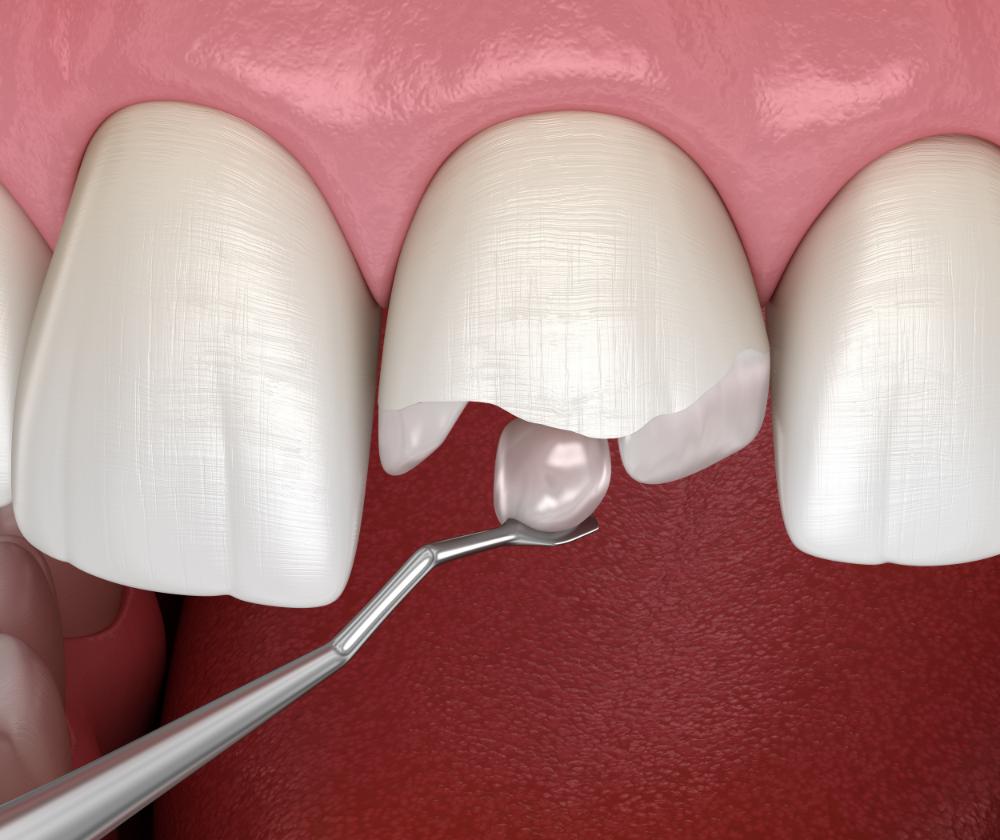
What Dental Glue Can and Cannot Do
Dental Glue CAN:
- Reduce discomfort by covering sharp edges
- Temporarily protect exposed dentin
- Hold a dental crown in place for a short period
- Prevent food from entering the broken area
- Reduce sensitivity to cold or heat
Dental Glue CANNOT:
- Permanently repair a broken tooth
- Treat infections or decay
- Restore normal bite function
- Fix cracks below the gumline
- Replace professional bonding or crowns
If you rely on dental glue for too long, the break may worsen and require more complex treatments such as a root canal, crown, or even extraction.
Types of Dental Glue
There are different categories of dental adhesives, and it’s important to understand which ones are safe:
1. Temporary Dental Cement (OTC Kits)
These are available in pharmacies and are safe for short-term use. They are designed to fall off easily so dentists can remove them without drilling.
2. Zinc Oxide-Based Adhesives
Used in most emergency dental kits, these offer mild adhesion and protection.
3. Professional Dental Bonding Agents (NOT for home use)
Dentists use high-strength adhesives such as resin composites and glass ionomer cements. These require special tools, techniques, and curing lights—not safe for home application.
4. Super Glue or Household Adhesives (DANGEROUS)
Never use super glue, Krazy Glue, or any household adhesive on your teeth. These contain toxic chemicals that can burn soft tissues or cause serious health issues.
How to Use Dental Glue Safely (Temporary Only)
If you’re experiencing a dental emergency and cannot get to a dentist immediately, here’s how to apply temporary dental glue safely:
- Clean your mouth gently with warm water.
- Remove any loose fragments of tooth or old filling.
- Dry the area lightly with tissue or gauze.
- Apply a small amount of temporary dental cement from a pharmacy kit.
- Avoid biting down or chewing on the repaired side.
- Schedule a dental appointment immediately—even if the tooth feels better.
Never attempt reattaching a large tooth fragment yourself. This requires professional bonding to avoid misalignment or nerve damage.
Is Dental Glue Safe?
Generally, temporary dental glue is safe when used as intended—for short-term relief only. The main risks occur when:
- Household glues are used instead
- The glue is left in place for too long
- People rely on it instead of seeing a dentist
- The broken tooth involves nerve exposure or infection
Using the wrong adhesive or delaying treatment can lead to:
- Infection
- Gum irritation
- Worsening of the crack
- Difficulty for dentists to professionally repair the tooth later
Professional Treatment Options for a Broken Tooth
A dentist may recommend different treatments depending on the severity of the break:
- Dental bonding for small chips
- Veneers for visible cosmetic fractures
- Dental crowns for larger breaks
- Root canal treatment if the nerve is exposed
- Dental implants if the tooth cannot be saved
Unlike dental glue, these solutions are designed for strength, longevity, and proper function.
When to See a Dentist Immediately
Seek urgent professional care if you have:
- Severe pain
- Swelling
- Bleeding
- A sharp or deep fracture
- Nerve exposure
- Difficulty biting or chewing
Even if the break seems minor, early treatment prevents further damage.
Final Thoughts
Dental glue can be a helpful temporary option for managing a broken tooth, offering short-term protection and relief. However, it is not a permanent solution and should never replace professional dental care. The best way to restore your tooth—and protect your long-term oral health—is to visit a dentist as soon as possible for a proper evaluation and treatment.