


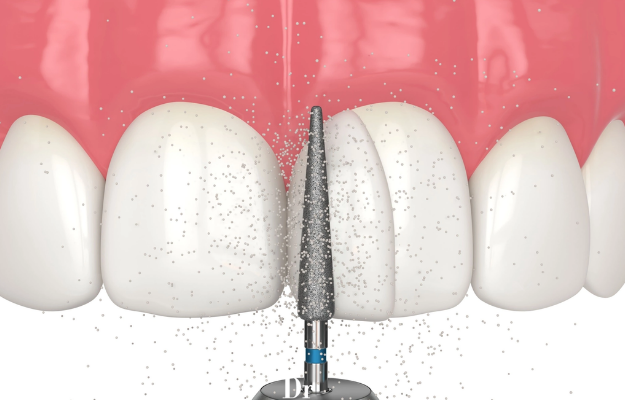
Composite bonding has become one of the most popular cosmetic dental treatments worldwide. It is quick, affordable, minimally invasive, and capable of transforming a smile in just a single visit. But with its growing popularity, many patients wonder: “Is composite bonding bad for your teeth?” At DRGO Smile Dental Clinic, we receive this question almost daily from individuals looking to improve their smile safely.
The short answer is: No, composite bonding is not bad for your teeth when performed by an experienced dentist. In fact, it is one of the safest and least invasive cosmetic dental procedures available today. However, like all treatments, it comes with important considerations that you should understand before deciding.
This comprehensive guide will explain everything you need to know about composite bonding — how it works, whether it harms your natural teeth, its benefits, limitations, and how to care for bonded teeth properly.
What Is Composite Bonding?
Composite bonding is a cosmetic dental treatment that uses a tooth-colored resin material to improve the shape, color, or size of your teeth. The material is molded directly onto the tooth and hardened with a special curing light.
It is commonly used to repair or enhance:
- Chipped or cracked teeth
- Gaps between teeth
- Short or uneven teeth
- Mild discoloration
- Minor alignment issues
- Worn edges
Bonding provides immediate results and can dramatically improve the overall appearance of your smile.
Does Composite Bonding Damage Your Teeth?
No. Composite bonding does not damage your natural teeth because:
- No drilling is required in most cases
Unlike veneers or crowns, bonding usually does not require removing enamel. The composite is applied directly onto the natural tooth surface.
- The tooth structure stays intact
Bonding adds material instead of removing it. This preserves your natural teeth completely.
- The process is reversible
Because enamel is not removed, composite can be polished off or replaced without harming the tooth.
- It strengthens weak areas
Composite can reinforce chipped or worn edges, preventing further damage.
- Safe, biocompatible material
Dental bonding material is non-toxic and widely used in medical-grade dental treatments for both children and adults.
Overall, composite bonding is considered one of the safest cosmetic treatments in dentistry.
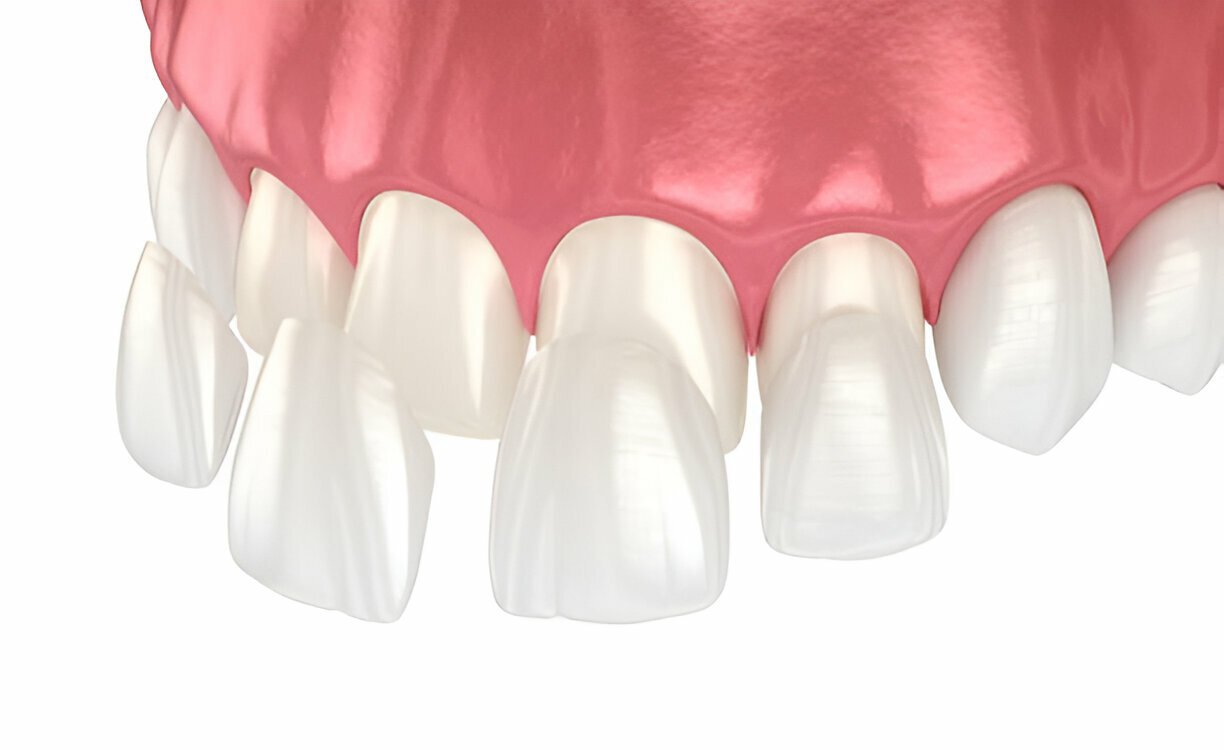
Common Myths About Composite Bonding
Myth 1: Bonding ruins your teeth
Wrong. Bonding is enamel-preserving and does not harm healthy teeth.
Myth 2: Bonding causes tooth decay
The material itself doesn’t cause decay — poor oral hygiene does. When properly maintained, bonded teeth remain healthy.
Myth 3: Bonding stains quickly
While bonding can stain faster than porcelain, with good dental habits and regular polishing, it stays bright for years.
Myth 4: Bonding weakens teeth
In reality, bonding often strengthens areas affected by chips, cracks, or wear.
When Can Composite Bonding Be a Problem?
While bonding does not harm teeth, certain conditions can affect its longevity:
1. Poor Oral Hygiene
Failure to brush, floss, and clean around bonded areas may lead to plaque buildup and decay — but that is not caused by bonding itself.
2. Clenching and Grinding (Bruxism)
Heavy grinding can chip or wear composite material faster. In these cases, a night guard is recommended.
3. Incorrect Bite Alignment
If your bite is uneven, some bonded teeth may take extra pressure and wear down sooner.
4. Staining Habits
Coffee, tea, wine, and smoking may stain composite more easily than natural teeth.
5. Low-Quality Material or Poor Technique
Composite bonding requires skill. When applied poorly, it may lift, chip, or discolor faster.
This is why choosing a professional, experienced clinic like DRGO Smile matters.
Benefits of Composite Bonding
Composite bonding offers a long list of advantages, making it one of the most preferred cosmetic treatments globally.
1. Minimally Invasive
No needles, no drilling, no removal of enamel in most cases.
2. Immediate Results
Your smile can be transformed in a single appointment.
3. Natural Appearance
High-quality composite blends seamlessly with natural tooth color.
4. Affordable Cosmetic Solution
Bonding is less expensive than veneers or crowns while still offering beautiful results.
5. Reversible and Adjustable
It can be reshaped, repaired, or replaced without damaging your natural teeth.
6. Protects and Strengthens Teeth
Great for chipped or worn edges.
How Long Does Composite Bonding Last?
On average, composite bonding lasts 5–7 years, depending on:
- Your bite
- Oral hygiene habits
- Eating habits
- Grinding or clenching
- Regular dental maintenance
With proper care and periodic polishing, many patients enjoy their bonding for 10 years or longer.
How to Take Care of Bonded Teeth
Good aftercare ensures long-lasting results:
- Brush twice a day
Use a soft brush and fluoride toothpaste.
- Floss daily
This prevents plaque buildup around bonded areas.
- Avoid biting hard foods
Ice, nails, pen caps, and hard candies can chip composite.
- Limit staining foods and drinks
Coffee, red wine, and smoking can discolor the material.
- Use a night guard if you grind
This protects the bonding from stress and pressure.
- Visit the dentist regularly
Professional polishing helps maintain a smooth, glossy, natural appearance.
Is Composite Bonding Right for You?
Bonding is ideal for patients who want:
- Minor cosmetic improvements
- Quick results
- A budget-friendly solution
- A non-invasive treatment
- A reversible option
However, it is not the best solution for severe misalignment, very dark discoloration, or major bite problems. In such cases, veneers, orthodontics, or crowns may be more suitable.
At DRGO Smile Dental Clinic, our cosmetic dentists evaluate your teeth carefully to recommend the safest and most effective option for your smile goals.
Conclusion: Is Composite Bonding Bad for Your Teeth?
No — composite bonding is not bad for your teeth.
It is a safe, minimally invasive, reversible, and highly effective cosmetic treatment when performed by a skilled dentist.
You can expect:
- No enamel removal
- No long-term damage
- Strong, natural-looking results
- A dramatically improved smile
As long as you maintain good oral hygiene and attend regular check-ups, composite bonding can enhance your smile beautifully and safely for years.