



Tooth pain is a common problem that can significantly affect your quality of life. Many people notice that their teeth hurt more at night, which can make sleeping and daily activities difficult. In this article, we will explore the reasons behind this phenomenon, potential risks, and effective solutions to manage night-time tooth pain.
Reasons Why Teeth Hurt More at Night
One of the main reasons for increased tooth pain at night is body position. During the day, when you are upright, gravity helps reduce pressure on the teeth and surrounding tissues, making pain less noticeable. However, when you lie down at night, blood flow and pressure increase around the tooth roots and surrounding nerves, which makes discomfort more intense. This is one reason many people ask, why do teeth hurt more at night.
Another important factor is the body’s biological rhythm. Hormone levels fluctuate during nighttime, and stress hormones decrease. This can make nerves more sensitive and amplify pain signals. In other words, the natural rhythm of your body contributes to the increased perception of tooth pain at night.
Gum and Nerve Issues
Tooth pain may not always originate from the tooth itself; gum problems and surrounding tissues can play a significant role. Gum inflammation, abscesses, and nerve irritation often worsen at night. Reduced saliva production during sleep allows bacteria to multiply more easily, increasing inflammation in the gums. This is why many patients experience that their teeth hurt more at night due to nerve or gum sensitivity.
Tooth nerves are among the most sensitive in the body. If you have cavities, cracks, or sensitive teeth, these nerves react strongly to stimuli. In a quiet nighttime environment, these pain signals are perceived more intensely, making nighttime tooth discomfort more noticeable.
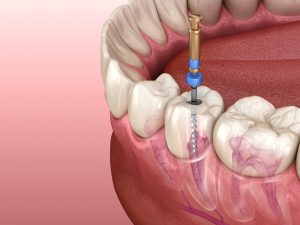
Cavities and Filling Problems
Dental decay is one of the most common causes of tooth pain. At night, reduced saliva makes cavities more pronounced and increases pressure on the nerves. Old fillings or cracked teeth can also trigger nighttime discomfort. Therefore, structural issues in the teeth are another reason why teeth hurt more at night.
Teeth Grinding and Bruxism
Many people unknowingly grind or clench their teeth while sleeping, a condition called bruxism. This habit puts extra pressure on tooth nerves and enamel, intensifying tooth pain at night. Night guards or special dental treatments can help prevent damage caused by bruxism.
When to See a Dentist
If tooth pain, especially at night, is severe or persistent, you should not delay seeking dental care. You should contact your dentist immediately if:
- Pain lasts for more than a few days
- Gums are swollen, red, or infected
- Old fillings or dental restorations start to cause discomfort
- Fever or general malaise accompanies the pain
Early intervention can prevent tooth loss and quickly relieve pain.
Temporary Ways to Reduce Night-Time Tooth Pain
While it may not be possible to completely eliminate night-time tooth pain, temporary solutions can help:
- Maintain good oral hygiene and brush your teeth before bed
- Use dentist-recommended pain relievers
- Elevate your head slightly while sleeping
- Apply warm or cold compresses to the jaw or cheeks
- Use night guards to prevent teeth grinding
These methods can reduce discomfort and improve sleep quality.
Conclusion
Night-time tooth pain can be caused by a combination of factors, including body position, biological rhythms, gum and nerve issues, cavities, and bruxism. Understanding why teeth hurt more at night is the first step in finding effective solutions. Proper diagnosis, treatment, and preventive care are essential to minimize nighttime pain and protect your oral health.
Remember, persistent tooth pain can indicate a serious dental issue. Consulting your dentist promptly is the best way to safeguard your health and ensure peaceful nights without discomfort.