


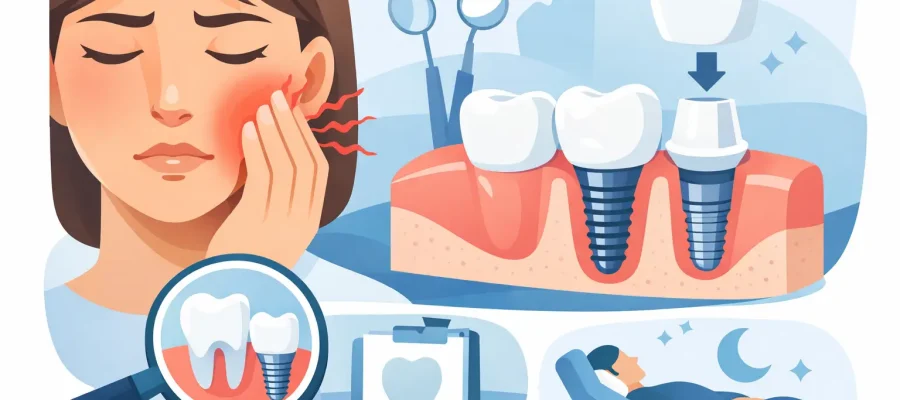
Most patients are not actually worried about the implant itself. They are worried about the moment the dentist starts, the hours after the numbness wears off, and whether recovery will interrupt work, travel, or a big event. If you are asking do teeth implants hurt, the honest answer is this: the procedure is usually easier than people expect, but the healing phase can bring some soreness, swelling, and pressure that varies from person to person.
That distinction matters. During the procedure, pain is typically well controlled. After the procedure, you may feel discomfort, but it is usually manageable and temporary. For most healthy patients, implant treatment feels more like a structured surgical recovery than a dramatic dental ordeal.
Do teeth implants hurt during the procedure?
In most cases, no. Dental implants are placed under local anesthesia, so the treatment area is numb while the implant is inserted into the jawbone. You may feel pressure, vibration, or movement, but sharp pain is not what patients usually report.
This surprises people, especially those who imagine implant placement as a long, aggressive surgery. In reality, a single implant can often be placed efficiently when planning is precise and the anatomy is straightforward. Advanced imaging and guided planning reduce unnecessary trauma, which directly improves comfort.
If you are having multiple implants, full-arch work, extractions, bone grafting, or a sinus lift at the same time, the experience becomes more involved. That does not automatically mean it will be painful during treatment, but it does mean the recovery may be more noticeable afterward. The more procedures combined into one visit, the more the body has to heal.
For anxious patients, comfort is not just about anesthesia. It is also about pace, communication, and predictability. When every step is mapped in advance, the procedure feels controlled rather than overwhelming.
What dental implant pain really feels like afterward
After surgery, the most common sensations are soreness in the gums, pressure in the jaw, mild throbbing, and swelling. Some patients describe it as similar to a tooth extraction. Others say it feels easier than expected, especially after hearing so many worst-case stories online.
The first 24 to 72 hours are usually the most noticeable. This is when swelling tends to peak and the mouth can feel tender. You may also notice minor bruising in the cheek or jaw area. That can look dramatic while still being completely normal.
Pain levels depend on the type of case. A single implant in a healthy jaw is very different from full-mouth implant reconstruction. Immediate implants placed right after extraction can save time, but the site may feel more sensitive because more than one tissue area is healing at once. Bone grafting can also add pressure and tenderness for a few extra days.
What patients often call pain is sometimes inflammation, tightness, or irritation rather than severe pain. That does not make it pleasant, but it is a useful distinction. Implant recovery is usually manageable with the right aftercare and medication plan.
Single implant vs full-mouth implants
A single implant usually comes with a shorter, lighter recovery. Many patients return to desk work quickly, especially if the implant is not in a highly visible area and the procedure was uncomplicated.
Full-arch treatments such as All-on-4 or All-on-6 are different. They are more transformative, but they also ask more from the body in the short term. Swelling, fatigue, and tenderness can be stronger for a few days, especially when extractions are done at the same appointment. The upside is that patients often leave with fixed teeth immediately, which changes the emotional experience in a very positive way.
Why some patients feel more discomfort than others
Pain is not just about pain tolerance. It is influenced by case complexity, bone quality, gum condition, infection, surgical technique, and whether other procedures are done at the same time.
An implant placed into healthy bone with excellent planning is usually smoother than a case involving bone loss, gum disease, or long-term missing teeth. Patients who wait years after tooth loss sometimes need grafting or sinus support because the bone has shrunk. Those added steps can extend recovery.
Smoking, uncontrolled diabetes, poor sleep, and high stress can also make recovery feel harder. Even clenching your jaw at night can increase soreness afterward. This is why a premium implant result is never just about placing a screw into bone. It is about engineering the whole treatment plan around stability, healing, and comfort.
Does the location matter?
Yes. Front and back teeth can feel different in recovery because the forces and anatomy are different. Upper implants near the sinus area may involve more pressure if sinus work is needed. Lower back implants may feel tighter because of chewing forces and jaw movement.
That said, location alone does not decide comfort. The planning behind the case matters more than the zip code inside your mouth.
How pain is controlled from start to finish
A well-run implant case is designed to stay ahead of discomfort, not react to it once it becomes a problem. That starts with local anesthesia during treatment and continues with a recovery plan that may include prescription or over-the-counter pain relief, anti-inflammatory medication, and in some cases antibiotics.
Cold compresses help control swelling in the first day or two. Soft foods reduce pressure on the area. Gentle oral hygiene keeps the site clean without disturbing healing. Small details matter here. Rinsing too aggressively, eating crunchy foods too soon, or skipping medication can turn a smooth recovery into a frustrating one.
For international patients, this planning matters even more. You want a timeline that respects your travel schedule, your hotel stay, and your return flight. Clinics that routinely treat fly-in patients tend to build recovery instructions around real logistics, not idealized assumptions.
At DRGO Smile Clinic, this comfort-first approach is part of the treatment design, especially for patients combining surgery, smile aesthetics, and travel in one coordinated visit.
How long does implant discomfort last?
Most patients feel the most discomfort in the first few days, then improve steadily over the first week. Mild tenderness can continue for a bit longer, especially when chewing or brushing near the site. If stitches are placed, the gums may feel tight until they dissolve or are removed.
Healing inside the bone takes much longer than the visible recovery in the mouth. You may look and feel normal relatively quickly, while the implant is still integrating with the jaw over the next several weeks or months. That deeper healing does not usually feel painful, but it is why follow-up matters.
If your case includes a temporary crown or fixed temporary bridge, comfort can also depend on how carefully you follow bite instructions. Chewing on the wrong foods too early can create irritation and slow the process.
When pain is not normal
Some discomfort is expected. Worsening pain is different. If pain gets stronger instead of better after a few days, or if it comes with fever, bad taste, pus, unusual swelling, or persistent bleeding, the implant site should be checked.
Pain can signal infection, excessive pressure on the implant, a bite issue, or a problem with healing. This is not a reason to panic, but it is a reason to act quickly. The earlier a problem is caught, the easier it is to correct.
A good clinic will tell you exactly what is normal, what is not, and how to reach the team if something feels off after you leave.
How to make dental implants more comfortable
The easiest recoveries usually come from preparation, not luck. Before treatment, share your full medical history, current medications, and any history of dental anxiety or difficult numbing. During planning, ask whether your case needs extraction, grafting, or sinus work, because each of those affects recovery.
After treatment, protect the investment. Take medication exactly as directed, rest more than you think you need on day one, and avoid testing the area with your tongue or chewing on that side. Choose softer foods, stay hydrated, and keep follow-up appointments even if you feel fine.
Patients focused on aesthetics often ask when they will look normal enough for meetings, photos, or travel. That depends on the procedure. A single implant can be socially easy to manage. Full-arch treatment may involve a few days of visible swelling, but the trade-off is major: fast transformation, fixed teeth, and a clear path forward.
If you are weighing whether the discomfort is worth it, think beyond the appointment. Implants replace more than missing teeth. They restore bite strength, facial support, and confidence in everyday moments that matter – speaking clearly, eating comfortably, smiling without calculation.
That is why the better question is not only do teeth implants hurt. It is whether a few days of controlled recovery are worth the long-term freedom of having stable, natural-looking teeth again. For most patients, the answer is yes.