


A cracked molar two weeks before a wedding, a dark old crown showing in photos, a tight travel window before heading home – this is exactly where a one visit zirconia crown CAD CAM treatment changes the conversation. Instead of juggling temporary crowns, multiple appointments, and lab delays, the restoration is planned, designed, milled, and placed in a single streamlined visit.
For international patients, speed only matters if the result still looks refined and feels reliable. That is why this treatment is not just about doing dentistry faster. It is about using digital planning and precise milling to create a crown that fits your bite, supports your smile line, and lets you leave with a finished result rather than a temporary fix.
What a one visit zirconia crown CAD CAM treatment actually means
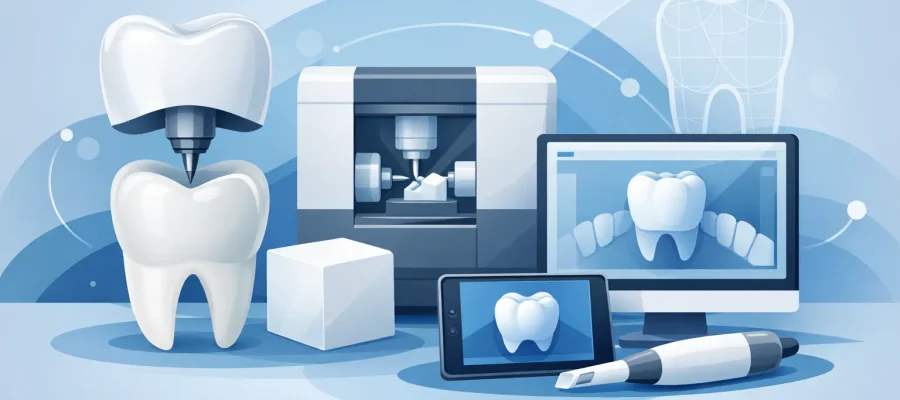
A one visit zirconia crown CAD CAM workflow replaces the traditional impression-lab-return process with an in-house digital system. After the tooth is prepared, the dentist scans it digitally, designs the crown on specialized software, and mills it from a zirconia block. The final crown is then adjusted, polished or glazed, and bonded or cemented the same day.
The appeal is obvious, but the real advantage is control. When the scan, design, milling, and fitting all happen under one clinical roof, there is less room for distortion, fewer delays, and faster decisions if refinements are needed. For patients flying in for treatment, that tighter workflow can make the difference between a practical trip and a stressful one.
Zirconia is chosen because it combines strength with strong esthetic potential. It is especially popular for patients who want a durable restoration without the metal base used in older crown systems. Depending on the location of the tooth and the cosmetic goal, the dentist may select a zirconia type that prioritizes maximum toughness, higher translucency, or a balance of both.
Why zirconia works so well for same-day crowns
Not every material is ideal for a same-day restoration, especially if the patient wants both beauty and resilience. Zirconia earns its place because it handles pressure well, resists wear, and can be shaped with digital precision. For back teeth, that strength is often the headline benefit. For front teeth, the conversation shifts more toward shade, translucency, and edge detail.
There is a trade-off here. Ultra-translucent materials can sometimes look slightly more lifelike in certain front-tooth cases, while high-strength zirconia can be the safer choice where bite force is heavy. Patients who clench, grind, or need posterior crowns often benefit from zirconia’s durability. Patients focused on a single visible front tooth may need a more detailed material discussion rather than assuming one material suits every situation.
That is where modern clinics separate themselves. The technology matters, but material selection matters just as much. The right crown is not simply the fastest one. It is the one engineered for the position of the tooth, the patient’s bite, and the esthetic standard they expect.
How the CAD CAM one-visit process works
The process starts before any drilling. A proper exam checks the tooth structure, bite, gum health, and whether the tooth is suitable for a crown at all. If decay, infection, or structural damage is more extensive than expected, the plan may change. Sometimes a root canal, build-up, or even extraction and implant planning is the better route. Fast treatment still needs disciplined diagnosis.
Step 1: Digital assessment and shade planning
Photos, scans, and a clinical exam help define the target result. If the crown sits in the smile zone, shade selection becomes more detailed. This is where facial proportions, neighboring teeth, and even the patient’s skin tone can influence the final choice. A premium outcome is rarely about making the tooth simply white. It is about making it belong.
Step 2: Tooth preparation and digital scan
The tooth is shaped to create room for the crown. Instead of traditional impression trays, an intraoral scanner captures the prepared tooth and surrounding bite in digital detail. This is more comfortable for many patients and often more efficient, especially for travelers trying to complete treatment on a fixed schedule.
Step 3: Digital crown design
Using CAD software, the new crown is designed around the tooth, bite contacts, and adjacent anatomy. A skilled clinician does more than accept the software suggestion. They refine contours, contact points, and occlusion so the crown is not only attractive on screen but functional in real life.
Step 4: Milling the zirconia crown
The design is sent to an in-house milling unit, where the zirconia crown is carved from a solid block. Depending on the system and material, the crown may then go through sintering and finishing. This stage is technical but essential. It affects final strength, precision, and surface quality.
Step 5: Try-in and final placement
The crown is checked in the mouth for fit, bite, margins, and esthetics. Minor refinements are normal. Once approved, it is permanently placed. Patients leave with a finished crown, not a temporary one that will need replacement later.
Who is a good candidate for a one visit zirconia crown CAD CAM crown
This treatment is an excellent fit for many patients, but not every case belongs in a same-day schedule. It works well for cracked teeth, large failing fillings, worn teeth, discolored teeth requiring full coverage, and old crowns that need replacement. It is especially appealing for international patients who want to maximize one short stay.
It may be less straightforward if the tooth has deep subgum damage, active infection, complex bite problems, or unclear esthetic demands on a highly visible front tooth. Some cases need more than one appointment because the gum tissue needs time to settle, the bite requires staged adjustments, or a custom lab approach offers better layering and characterization. That does not mean same-day care is lower quality. It means quality care knows when not to rush.
Patients who grind heavily should also expect a conversation about protection. Even a strong zirconia crown benefits from a night guard if the bite forces are significant. Longevity is not only about the crown material. It is also about how that crown lives in your mouth every day.
The biggest advantages for traveling patients
For destination dentistry, convenience is not a side benefit. It is part of the treatment value. A same-day crown reduces the need for return visits, temporary restorations, and schedule gaps. That matters if you are flying internationally, balancing work obligations, or planning treatment around a milestone event.
There is also a psychological benefit. Many patients prefer to finish the process in one controlled visit rather than spend days being careful with a temporary crown. You arrive with a problem and leave with a completed restoration. That level of closure is a major reason one-visit workflows continue to grow.
At a clinic built around digital smile planning and coordinated travel care, the experience can feel notably easier. DRGO Smile Clinic, for example, aligns same-day dentistry with concierge-style scheduling so treatment decisions, comfort, and travel logistics support each other rather than compete.
What patients should ask before booking
If you are comparing clinics, ask who designs the crown, whether the milling is done in-house, what kind of zirconia is used, and how esthetic planning is handled for visible teeth. Ask what happens if the tooth needs additional treatment once the old filling or crown is removed. Ask how bite adjustments are verified and whether the clinic plans for follow-up if you are traveling.
Price matters, but clarity matters more. A lower quote can hide weak material choices, outsourced steps, or minimal esthetic planning. Premium dentistry is not about paying more for the sake of image. It is about reducing surprises and protecting the final result.
Recovery, feel, and aftercare
Most patients return to normal function quickly. Mild sensitivity is possible, especially if the tooth was heavily restored before treatment, but it usually settles. The crown may feel slightly unfamiliar for a day or two simply because your tongue notices every change at first.
Good aftercare is straightforward. Brush well, floss carefully around the crown, avoid using your teeth as tools, and wear a night guard if recommended. A zirconia crown is strong, but strength should not be confused with indestructibility. Ice chewing, pen biting, and unmanaged grinding are bad habits no matter how advanced the material is.
A well-made crown should disappear into daily life. You should not be thinking about it every hour. You should be eating, smiling, speaking, and moving through your day with the kind of confidence that comes from something fitting exactly as it should.
For patients who value speed, esthetics, and a tightly managed treatment journey, one visit zirconia crown CAD CAM dentistry is more than a convenient option. It is a smart match for modern life, especially when your calendar is full and your standards are high. If the case is selected properly and executed with precision, one day can be enough to change both your bite and how confidently you show your smile.