


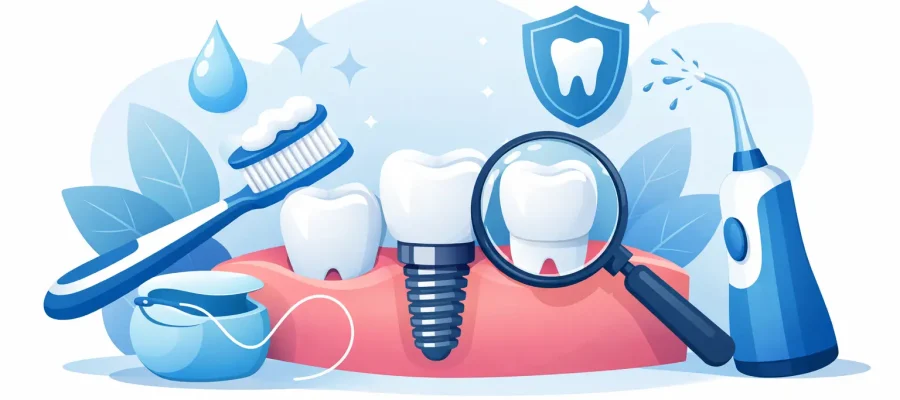
Your implant may look like a natural tooth, but the way you protect it needs more precision. If you are wondering how to care for dental implants, the goal is simple: keep the implant stable, the surrounding gum healthy, and the final smile looking as refined as the day it was placed.
Implants are designed for strength and longevity, but they are not maintenance-free. The titanium post cannot get a cavity, yet the gum and bone around it can still become inflamed if plaque is allowed to build up. That is where daily discipline matters. A premium result is not only about expert placement. It is also about what happens at home, every morning and every night.
How to care for dental implants in the first few weeks
The earliest stage of healing sets the tone for everything that follows. During this period, the focus is not aggressive cleaning. It is controlled protection. Your provider may give you a very specific aftercare plan based on whether you had a single implant, multiple implants, bone grafting, or a full-arch case such as All-on-4 or All-on-6.
In the first days, expect some tenderness, mild swelling, and sensitivity around the surgical area. That does not mean something is wrong. It means the site is healing. What matters is keeping the area clean without disturbing the tissue. In most cases, you will be advised to avoid brushing directly over the implant site for a short time, then reintroduce gentle brushing as instructed.
Food choices matter more than many patients expect. Soft, easy-to-chew meals reduce pressure on the implant during early healing. Yogurt, eggs, soups that are not too hot, mashed vegetables, and soft fish are usually easier to manage than crusty bread, nuts, or steak. If you received immediate temporary teeth, that matters even more. Temporary restorations are designed to look good quickly, but they still need protection while the implant integrates with the bone.
Smoking can seriously compromise healing. So can clenching, poor hygiene, and ignoring follow-up instructions. Implants are highly predictable, but predictability comes from a controlled process, not guesswork.
The daily routine that keeps implants healthy
Once healing is underway, implant care becomes a long-term habit. The best routine is not complicated, but it does need consistency.
Brush at least twice a day with a soft-bristled toothbrush. The goal is to remove plaque at the gumline, where inflammation begins. Electric toothbrushes can be an excellent option because they improve consistency and reduce the temptation to scrub too hard. Hard brushing does not clean better. It can irritate the gum tissue and make the area more difficult to maintain.
Toothpaste choice also matters. A non-abrasive formula is usually best, especially if you have porcelain crowns, bridges, or a full-arch implant restoration. Very abrasive whitening pastes can gradually dull polished surfaces over time. If you have invested in a high-aesthetic smile, preserving the finish is part of preserving the result.
Cleaning between the teeth is just as important as brushing. For a single implant, floss or implant-specific cleaning aids may be recommended, depending on the shape of the crown and the space around it. For larger restorations, interdental brushes, water flossers, or super floss may be more effective. This is one of those areas where it depends on your design. A natural-looking result can be shaped in different ways, and the best cleaning tool is the one that actually reaches the areas where plaque collects.
An antibacterial rinse may be useful in some cases, but it should not replace mechanical cleaning. Mouthwash can freshen the mouth, yet it cannot remove sticky plaque from the implant surface or the gumline. Think of it as support, not the main event.
What changes with single implants vs full-arch implants
Not every implant case is maintained the same way. A single implant crown usually feels closest to caring for a natural tooth, although the cleaning needs to be more intentional around the gum margin. Full-arch restorations require a different rhythm.
With All-on-4 or All-on-6, food debris can collect beneath the bridge, especially in the early adjustment period when patients are learning how the new smile functions. That means rinsing after meals becomes more valuable, and under-bridge cleaning tools are often essential. Water flossers are popular for this reason, but technique matters. Used correctly, they help flush out trapped debris. Used casually, they can give patients a false sense of cleanliness.
This is why a custom hygiene demonstration after treatment is so important. The most polished implant result is not only about fit and color. It is also about whether the patient can realistically maintain it every day.
Foods and habits that help – and those that work against you
After the initial healing phase, most implant patients can return to a very normal diet. Still, normal does not mean careless. Ice chewing, pen biting, opening packages with your teeth, and repeated pressure from very hard foods can stress both natural teeth and implant restorations.
If you grind or clench, especially at night, that needs to be addressed. Implants are strong, but they do not have the same shock-absorbing ligament that natural teeth do. Excess force can affect screws, restorations, and surrounding structures over time. A night guard may be recommended, particularly for patients with cosmetic restorations and implant work combined.
Sugary foods do not damage the implant post itself, but they still contribute to plaque buildup and gum inflammation. That distinction matters. Many patients hear that implants cannot decay and assume maintenance becomes easier than natural teeth. In some ways it does. In other ways, it requires more precision, because inflammation around implants can progress quietly before the patient notices a problem.
Hydration helps more than people think. A dry mouth can increase bacterial buildup and make plaque control harder. If you travel often, drink a lot of coffee, take drying medications, or spend long hours speaking on camera or in meetings, keeping the mouth hydrated supports both comfort and hygiene.
Warning signs you should not ignore
A well-integrated implant should feel stable and comfortable in daily life. If something changes, pay attention early.
Bleeding when brushing around the implant is not something to dismiss. Persistent bad breath, a bad taste, swelling, soreness, gum recession, or a feeling that the restoration has become loose all deserve professional evaluation. Sometimes the issue is minor, such as trapped buildup or a bite imbalance. Sometimes it points to peri-implant inflammation, which is much easier to manage when caught early.
Pain is not always dramatic. A small change in pressure, tenderness when chewing, or irritation that keeps returning can be the first clue that the area needs attention. Waiting rarely improves outcomes.
This is especially relevant for international patients who combine treatment with travel. A fast, beautifully managed smile transformation should still come with a clear maintenance plan once you return home. If your implant treatment was engineered properly, your ongoing care should feel equally structured.
Professional maintenance is part of implant care
Home care does a lot, but it does not replace professional reviews. Implant checkups allow your dentist to assess the gum condition, bite forces, restoration stability, and bone support around the implant. Professional cleaning also removes hardened deposits that regular brushing cannot handle.
The right recall schedule depends on your case. Some patients do well with standard six-month visits. Others need more frequent maintenance, especially if they have a history of gum disease, smoking, clenching, diabetes, or complex full-mouth work. This is not about selling extra appointments. It is about protecting a high-value result.
For cosmetic-minded patients, maintenance also preserves aesthetics. Healthy tissue frames the implant crown correctly. That means the smile looks cleaner, brighter, and more natural in person and on camera. Clinical health and visual outcome are closely linked.
At clinics built around precision smile design, such as DRGO Smile Clinic, aftercare is part of the engineering behind the final result. The placement may happen quickly, especially with advanced digital planning and immediate protocols, but long-term success still depends on informed daily care.
The simplest answer to how to care for dental implants
Treat your implant like a premium restoration, not an indestructible one. Clean it thoroughly, protect it from overload, and respond early if anything feels different. The strongest implant outcomes come from two things working together: expert treatment at the start and disciplined maintenance after.
That is what keeps the result stable, polished, and ready for real life – close-up conversations, milestone events, photos, travel, and every ordinary day in between. A great implant should not just stay in place. It should keep delivering confidence.