


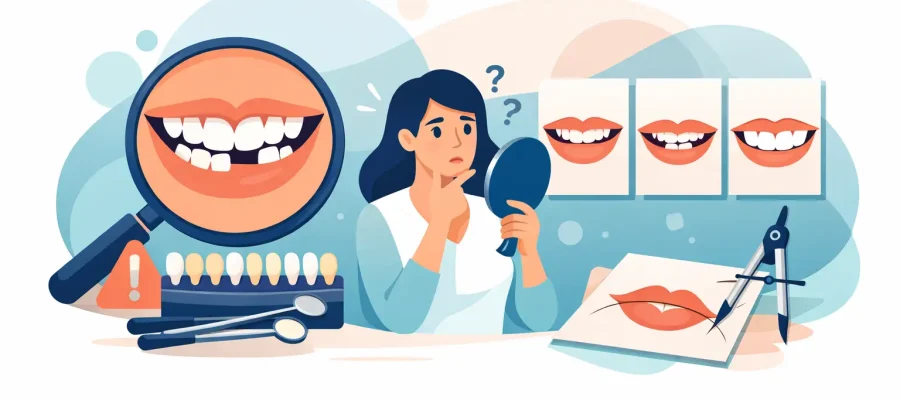
A smile makeover can look expensive without looking refined. That is usually the problem when patients focus only on getting very white, very straight teeth as fast as possible. The most common smile design mistakes happen before treatment even starts – in planning, proportion, facial analysis, and material choice.
If you are investing in veneers, crowns, gum contouring, or a full Hollywood Smile, the goal is not just change. It is a result that looks intentional, balanced, and believable in real life, on camera, and years later. That takes more than picking a shade and filing teeth.
The most common smile design mistakes start with copying someone else
One of the fastest ways to get a disappointing result is asking for a celebrity smile without considering your own face. A smile that works on one person can look oversized, flat, or artificial on someone else. Lip shape, facial width, gum display, skin tone, age, and even the way you speak all affect what looks attractive.
Strong smile design is customized. The width of the front teeth, the curvature of the smile line, and the level of translucency should match your features rather than imitate a photo. Reference images can help communicate taste, but they should never replace a clinical design plan.
This matters even more for international patients who want a fast, one-trip transformation. Speed is valuable, but speed without personalization is how patients end up with a smile that looks generic instead of signature.
Choosing whiteness over realism
Bright teeth photograph well, and many patients arrive asking for the lightest possible shade. Sometimes that works. Often, it does not.
A very opaque, ultra-white finish can erase the depth that natural teeth have. The result may read as flat under daylight and too stark against the skin or eyes. On younger patients with certain facial features, a bright white can still look polished. On others, especially when combined with bulky shapes, it can immediately signal dental work.
The better question is not, “What is the whitest shade?” It is, “What shade gives me a clean, elevated look without losing realism?” Premium smile design often uses brightness strategically, with enough texture, layering, and translucency to keep the smile alive.
Why material choice changes the final look
Not every restoration material reflects light the same way. E-Max can offer exceptional esthetics in the right case because of its lifelike translucency. Zirconia can be a strong option where durability is the priority, especially in posterior areas or specific full-mouth cases. The right answer depends on bite forces, preparation design, habits like grinding, and the level of cosmetic detail you want.
When shade is chosen without discussing material behavior, patients can be surprised by a result that looks heavier or less natural than expected.
Ignoring the gums
Teeth do not create a beautiful smile on their own. The gumline frames everything.
One of the most common smile design mistakes is treating tooth shape while ignoring uneven gums, excess gum display, or inflammation. Even perfectly crafted veneers can look off if one side sits higher than the other or if the gum contour does not follow the smile line.
This is where smile design becomes more than cosmetic layering. In many cases, gum aesthetics are what turn a good result into a clean, high-end result. Small corrections in gum symmetry can make teeth appear more proportionate and the whole smile look more expensive.
It also affects longevity. Restorations placed around unhealthy gums are harder to maintain, and the esthetic result can decline quickly if tissue health is unstable.
Making the teeth too big or too bulky
Patients usually notice this mistake instantly, even if they cannot name it. The smile feels “too much.” Lips struggle to close naturally. Speech sounds slightly different. Photos look impressive at first glance but unnatural on a second look.
Overbuilt restorations are often the result of poor reduction planning, weak facial analysis, or trying to force dramatic transformation into the wrong dimensions. Bigger is not better. Wider is not always more youthful. And longer front teeth do not automatically create a luxurious Hollywood Smile.
The ideal design should support your profile, lip movement, and bite. It should also respect your facial proportions. The best cosmetic dentistry is noticeable in the right way – people see that you look better, not that your teeth are wearing a costume.
Function is part of beauty
A smile can look stunning in a still image and still fail in daily life. If the bite is off, the restorations may chip, the jaw may feel strained, or the patient may start avoiding certain foods. In some cases, overloading front teeth for the sake of esthetics creates mechanical problems that show up later.
That is why full smile design should include occlusion, bite dynamics, and jaw habits from the start. Patients who clench or grind may also need protective planning, and in selected cases, supportive treatments such as masseter Botox can be part of a broader comfort strategy.
Skipping the mock-up or digital preview
If you are making a major esthetic change, you should not have to imagine the outcome blindly. One of the clearest planning failures is moving ahead without a visual preview.
Digital Smile Design and mock-ups create alignment between patient expectations and clinical execution. They help answer practical questions early. Are the front teeth too square? Is the incisal edge too long? Does the smile arc fit the lower lip? Does the overall look feel youthful, elegant, bold, or too aggressive?
Without that preview stage, many problems are only discovered after preparation or placement, when changes become harder, slower, and more expensive. For patients traveling internationally on a tight timeline, this step is even more valuable because it reduces uncertainty before treatment begins.
At DRGO Smile Clinic, this planning stage is a major part of predictability. A 3D preview is not a luxury extra. It is how premium smile outcomes are engineered before the hands-on work starts.
Treating only the front view
Many clinics design smiles for the straight-on photo and ignore what happens from other angles. That is a mistake.
A sophisticated smile must work in motion, in conversation, and from three-quarter views. Buccal corridor balance, side tooth display, edge position, and facial profile all matter. A smile that looks perfect from the front but disappears from the side can feel incomplete. The same goes for restorations that look clean in studio lighting but too opaque in natural daylight.
This is why smile design should include full-face photography, video, and dynamic analysis when possible. Cosmetic dentistry is not a passport photo. It is a live facial feature.
Rushing treatment on the wrong foundation
Fast turnaround is attractive, especially for patients traveling for care or preparing for a major event. But there is a difference between efficient treatment and rushed treatment.
If decay, bite instability, old failing dental work, or missing teeth are not addressed properly first, the cosmetic layer will carry the problem instead of solving it. A beautiful veneer plan cannot fix a structural issue underneath. In implant cases, bone levels, soft tissue support, and prosthetic planning have to be right before the final smile is built.
The best clinics move quickly because the workflow is organized, digital, and multidisciplinary – not because they skip diagnostics. Same-day crowns, immediate implants, and instant smile makeovers can be excellent options when the case is selected correctly and planned with discipline.
How to avoid the most common smile design mistakes
The safest path is to choose a clinic that plans your smile around your face, your function, and your timeline – not around a one-size-fits-all package. Ask to see previews. Ask how material is selected. Ask whether the gums, bite, and profile are part of the design conversation. If the only discussion is shade and price, the planning is too shallow.
You should also expect honest guidance about trade-offs. Some patients are better candidates for veneers, while others need crowns because of existing restorations or structural loss. Some can achieve the look they want in one visit with CAD/CAM workflows, while others need staged treatment for a more stable result. Premium care is not about saying yes to everything. It is about building the right smile the first time.
A great smile makeover should feel like precision, not guesswork. When the design is clinically disciplined and visually tailored, the result does more than change your teeth. It changes how confidently you show up in every room after that.