


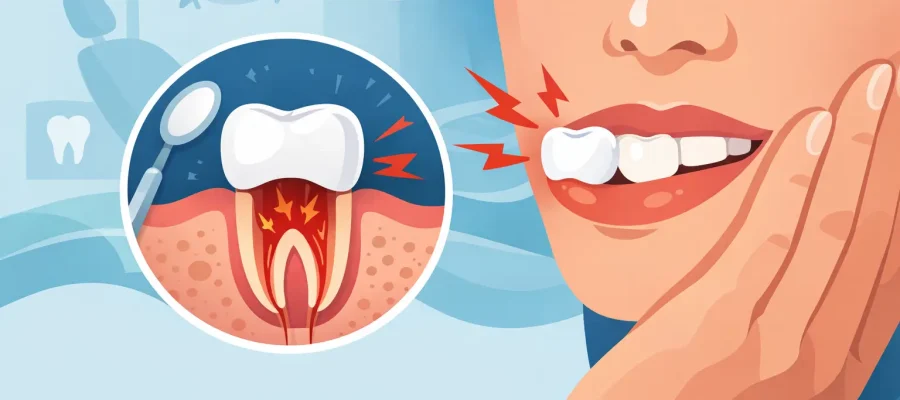
You leave the chair with a new crown, check your smile in the mirror, and then the question hits as soon as the numbness fades: why does this tooth hurt now? Dental pain after a crown is common in the short term, but not all discomfort means the same thing. Some sensitivity is part of a normal adjustment. Sharp pain, a high bite, or pain that gets worse instead of better usually means the crown or the tooth underneath needs attention.
If you invested in a crown for strength, aesthetics, or a faster smile upgrade, you want clarity fast. Here’s what pain after crown placement can mean, what is considered normal, and when it’s time to stop waiting and get the tooth checked.
Dental pain after a crown – what is normal?
A crown is not just a cap placed on top of a tooth. The tooth has to be shaped, the bite has to be balanced, and the surrounding gum tissue often goes through mild irritation during the process. That means a newly crowned tooth can feel tender for a few days, especially when chewing or drinking something very cold.
Mild soreness around the gumline is also expected, particularly if the tooth was close to the gum or if a temporary crown was worn before the final one. Some patients describe a bruised feeling rather than true pain. Others notice temperature sensitivity that fades gradually over one to two weeks.
This kind of discomfort is usually manageable and improves each day. It should not feel intense, throbbing, or disruptive to sleep. If the tooth feels more painful as time passes, that changes the picture.
Normal sensitivity usually feels like this
A normal healing response is brief and triggered by pressure, cold drinks, or brushing near the area. It tends to be predictable. You know what sets it off, and it settles down quickly.
The key detail is progress. A healthy adjustment period trends in the right direction. Day three should feel better than day one, not worse.
Why a crowned tooth can hurt
There are several reasons a tooth can hurt after crown treatment, and the cause affects the fix. Sometimes the crown itself is the issue. Sometimes the nerve inside the tooth was already compromised before treatment.
The bite is too high
This is one of the most common reasons for dental pain after a crown. If the crown hits before the rest of your teeth when you bite down, that tooth absorbs more force than it should. The result can be soreness when chewing, jaw tension, or a feeling that the tooth is too tall.
This is usually easy to correct with a bite adjustment. The sooner it is corrected, the better, because repeated pressure can inflame the ligament around the tooth and make a simple issue feel much bigger.
The nerve is inflamed
Even when a crown is done perfectly, the preparation process can irritate the nerve inside the tooth. This is more likely if the tooth had deep decay, a large old filling, cracks, or previous trauma. In those cases, the crown may be the final restoration, but the nerve may still react.
Sometimes that inflammation settles on its own. Sometimes it does not, and the tooth eventually needs root canal treatment. This is not always a sign that the crown was a mistake. In some teeth, the internal damage was already in motion before the crown was placed.
The tooth had hidden damage
Cracks can be difficult to diagnose before treatment, especially if symptoms were vague. A crown often protects a cracked tooth, but if the crack extends deeper than expected, pain may continue. The same is true for teeth with advanced decay near the nerve.
This is where proper planning matters. Digital imaging, careful bite analysis, and a precise prep reduce surprises, but biology still has variables. Dentistry is highly engineered, but not every tooth reads like a textbook.
Gum irritation or cement sensitivity
Sometimes the pain is not coming from the tooth at all. The gum tissue around a new crown can become tender from retraction, impressions, cement, or food packing around the margin. This tends to feel sore or irritated rather than deep and pulsing.
If the crown margin is slightly overcontoured or if plaque starts collecting around it, the gums may stay inflamed. That usually needs a professional review, not guesswork at home.
Signs the pain is not normal
A little sensitivity is one thing. Certain symptoms suggest the tooth needs prompt evaluation.
Pain that wakes you up, lingering throbbing after hot or cold drinks, or sharp pain every time you bite are not signs of a routine adjustment period. Swelling, a bad taste, pressure in the gum, or pain that spreads to the jaw or ear also deserve attention.
Another red flag is a bite that feels obviously off. If you keep noticing the crowned tooth touches first, don’t wait for it to settle by itself. Crowns do not “wear in” the way a new pair of shoes might. If the bite is wrong, it should be adjusted.
When to call your dentist quickly
Call if the pain is getting stronger after several days, if chewing feels impossible on that side, or if hot liquids trigger lingering pain. The same applies if floss shreds around the crown, the crown feels loose, or the gum around it looks swollen and angry.
Fast follow-up usually makes the solution simpler. A quick polish or bite correction can prevent weeks of discomfort.
How long should pain after a crown last?
For most patients, mild sensitivity improves within a few days and is mostly gone within one to two weeks. If the tooth had extensive work beforehand, the timeline can stretch a little longer. That said, pain should steadily decline.
If you are still having meaningful discomfort after two weeks, especially with biting or temperature, the crown should be evaluated. The same rule applies if symptoms disappeared and then came back. Delayed pain can signal bite stress, leakage, or a nerve issue that is developing beneath the surface.
What can help at home while the tooth settles?
If the discomfort is mild and clearly improving, a soft-food approach for a few days is sensible. Avoid chewing hard foods on that side, and skip extremes like ice water followed by hot coffee. If your dentist has recommended an over-the-counter pain reliever that is safe for you, that can help with short-term soreness.
Good hygiene matters too. Patients sometimes brush less around a sore tooth, which can irritate the gums even more. Keep the area clean, but be gentle.
What does not help is trying to wait out a bite problem for weeks. If the crown feels high, home care will not fix the contact pattern.
Dental pain after a crown in cosmetic cases
Patients choosing crowns for aesthetic reasons often expect the process to feel as refined as the result looks. That expectation is reasonable. In cosmetic and restorative dentistry, comfort is part of the outcome.
When crowns are planned with precision, especially in high-visibility smile cases, the details matter more – bite harmony, margin fit, gum response, and the way the final crown distributes pressure across the smile. A crown that looks beautiful but feels wrong is not a finished result.
This is one reason advanced clinics use digital planning, controlled workflows, and same-visit refinement. Speed is valuable, but predictability is the real luxury. At DRGO Smile Clinic, that precision-first approach is central to how smile transformations are designed for international patients who want both aesthetics and confidence in function.
What your dentist may do to fix it
The solution depends on the cause. If the bite is high, the crown may only need a simple adjustment and polish. If the gum is irritated, the area may need cleaning, contour correction, or home care guidance. If the nerve is inflamed beyond recovery, root canal treatment through or around the crown may be necessary.
In some cases, the crown fit itself is the issue. If the contact, margin, or contour is off, replacing the crown may be the right move. That is not the most common outcome, but it is sometimes the correct one.
A strong dentist will not treat all post-crown pain as “normal” by default. They will test the bite, check the nerve response, evaluate the gum tissue, and look at the tooth in context. The goal is not just to remove pain. It is to protect the investment and keep the restoration performing the way it should.
A new crown should feel secure, natural, and easy to trust. If it doesn’t, listen to that signal. The best cosmetic and restorative results are not only beautiful on camera – they feel right when you eat, speak, and get back to real life.