


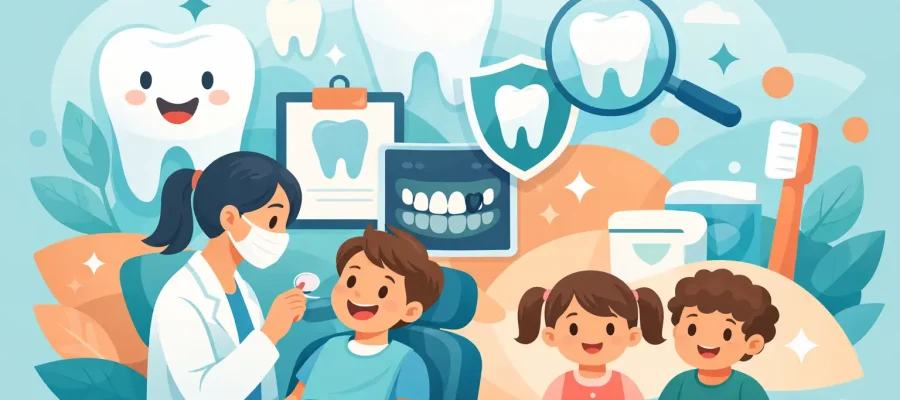
A child with perfect-looking baby teeth can still have bite issues, cavity risk, or dental anxiety developing quietly in the background. That is exactly where pedodontics comes in. If you have been asking what is pedodontics, the short answer is this: it is the branch of dentistry focused on infants, children, and teenagers, including those with special healthcare needs.
Pedodontics is also called pediatric dentistry, but the older term still appears often in searches and clinic materials. The specialty goes beyond cleaning small teeth. It covers growth, oral habits, cavity prevention, early orthodontic concerns, and the kind of behavior guidance that helps children build a healthy relationship with dental care from the start.
What is pedodontics in simple terms?
Pedodontics is dentistry designed specifically for growing mouths. Children are not just small adults, and their dental needs change quickly from babyhood through the teen years. A pedodontist is trained to manage that changing timeline with precision.
That includes monitoring when baby teeth erupt, checking how the jaws are developing, treating tooth decay in primary teeth, and spotting patterns that may affect speech, chewing, or future smile alignment. It also includes understanding how to treat children who are fearful, very young, or medically complex.
In practical terms, pedodontics blends prevention, treatment, and developmental guidance. The goal is not only to fix a problem today, but to protect how the smile forms over time.
Why pedodontics matters more than many parents expect
Baby teeth are temporary, but they are not optional. They hold space for permanent teeth, support clear speech, help children chew properly, and influence facial development. When they are lost too early or affected by untreated decay, the consequences can carry forward.
A cavity in a primary tooth can lead to pain, infection, missed school, sleep disruption, and difficulty eating. Early tooth loss can also allow nearby teeth to drift, making future orthodontic treatment more likely. That is one reason pedodontics places such a strong emphasis on early prevention rather than waiting for visible damage.
There is also the behavioral side. A child who has calm, well-managed dental visits early in life is far more likely to become an adult who keeps up with care confidently. That kind of long-term result matters just as much as a single filling.
What does a pedodontist actually do?
A pedodontist provides a wide range of services tailored to children at different stages of development. Some visits are preventive and routine, while others are more specialized.
Preventive care usually includes exams, professional cleanings, fluoride treatments, sealants, and guidance on brushing, flossing, and nutrition. These appointments also help detect issues before they become expensive or painful.
Treatment may involve fillings for cavities, pulp therapy for infected baby teeth, stainless steel crowns, emergency care after falls or sports injuries, and space maintainers when a tooth is lost too soon. In some cases, a pedodontist also identifies bite problems early and recommends the right timing for orthodontic evaluation.
Behavior management is another major part of the specialty. Children do not always explain pain clearly, sit still easily, or respond well to a standard clinical approach. A trained pediatric dental specialist knows how to adjust communication, pacing, and treatment style so the experience feels safe rather than overwhelming.
When should a child first see a pedodontist?
Most dental professionals recommend the first visit by age one, or within six months of the first tooth appearing. That can sound early, especially if everything looks normal. But the point of the first appointment is not heavy treatment. It is early guidance.
That visit gives parents a chance to discuss feeding habits, thumb sucking, teething, fluoride exposure, oral hygiene, and how to prevent early childhood cavities. It also helps the child begin forming familiarity with the dental setting before any problem develops.
For families who wait until pain appears, the first dental experience is often more stressful than it needs to be. Starting earlier usually means more comfort, fewer interventions, and better long-term habits.
What is pedodontics focused on at each stage of childhood?
In infants and toddlers, pedodontics focuses heavily on eruption patterns, bottle-related decay risk, and home care coaching for parents. At this stage, prevention is everything.
In preschool and elementary years, the focus expands to cavity control, dietary habits, fluoride protection, and checking whether the jaws and teeth are developing in the right direction. This is also when habits like mouth breathing, tongue thrusting, or prolonged pacifier use may become more relevant.
In older children and teens, pedodontics often includes sports protection, monitoring wisdom tooth development, managing enamel defects, and watching the transition from baby teeth to permanent teeth. Some teenagers also need coordinated care if they are preparing for braces or dealing with crowding, trauma, or grinding.
The common thread is timing. Pediatric dental care is not static. What matters at age two is different from what matters at age twelve.
Common conditions treated in pedodontics
Tooth decay is still the most common issue, and it often appears faster in children than parents expect. Enamel on baby teeth is thinner, sugary snacks and drinks are common, and brushing quality is often inconsistent.
Beyond cavities, pedodontists treat gum inflammation, dental trauma, enamel defects, delayed eruption, early tooth loss, and oral habits that affect alignment. They also evaluate conditions such as crossbites, open bites, and crowding patterns that may need monitoring or referral.
Some children require care under sedation or with more advanced behavioral support. That does not always mean the condition is severe. Sometimes age, anxiety, sensory sensitivity, or treatment length simply makes a different approach safer and more predictable.
How pedodontics differs from general dentistry
A general dentist may be very comfortable seeing children, especially for routine checkups. But pedodontics is a recognized specialty with additional training focused on child development, behavior, and age-specific treatment.
The difference is not just the décor of the clinic or the size of the chair. It is clinical judgment. A pedodontist is trained to understand how oral conditions interact with growth, when to intervene, when to monitor, and how to manage treatment for children who cannot always cooperate like adults.
That said, the right choice depends on the child. Some families are well served by a general dentist for simple preventive visits. Others benefit from a pediatric specialist because the child is very young, has repeated cavity issues, needs complex treatment, or has significant fear around dentistry.
Can pedodontics affect the future appearance of the smile?
Yes, and this is often overlooked. Pedodontics is not cosmetic dentistry, but it absolutely influences future smile aesthetics. Healthy spacing, jaw growth, tooth preservation, and early detection of bite problems all shape how the permanent smile develops.
If primary teeth are protected and growth is monitored carefully, the path toward a balanced adult smile is usually more controlled. If problems are ignored early, treatment later may become more extensive. That is one reason high-level dentistry always respects the foundation built in childhood.
For adults investing in premium smile design later in life, many of the underlying issues being corrected started years earlier. Prevention would not eliminate every future treatment need, but it can reduce complexity.
What parents should look for in a pediatric dental provider
Clinical credentials matter, but so does the treatment environment. Parents should look for a provider who explains clearly, does not rush decisions, and balances prevention with necessary intervention. A child-friendly setting helps, but expertise matters more than a playful theme.
It is also worth paying attention to how the provider talks about treatment. The best pediatric dental care is precise, calm, and realistic. Not every small issue needs aggressive action immediately. Sometimes the smartest plan is monitoring. Other times, acting early prevents a much larger problem.
That balance is the mark of good specialty care.
What is pedodontics really about?
At its core, pedodontics is about protecting the architecture of a growing smile. It treats disease, but it also manages timing, development, and behavior in a way that standard dentistry alone cannot always provide.
For parents, that means fewer surprises and more control. For children, it means healthier teeth, more comfortable visits, and a better foundation for the years ahead. And for any future dental work, whether functional or aesthetic, the value of that early foundation is hard to overstate.
A great smile does not begin with veneers or whitening. It begins much earlier, with careful attention to how the first teeth grow, function, and stay healthy.