


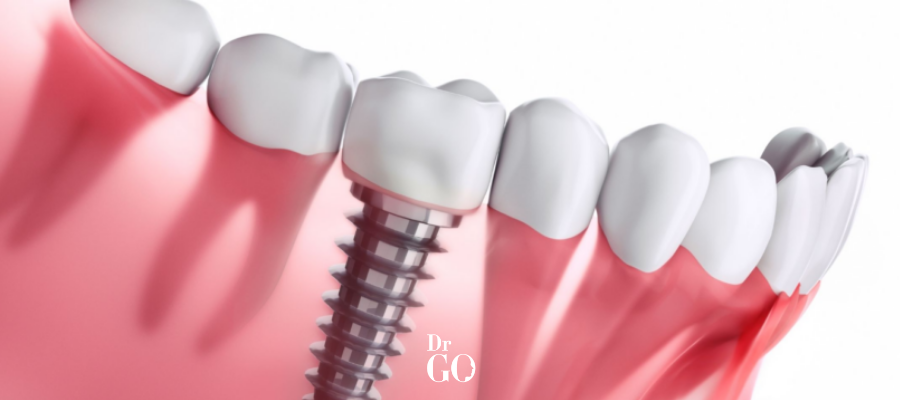
Dental implants are considered the gold standard for replacing missing teeth due to their durability, natural appearance, and ability to restore full oral function. However, one of the most common concerns patients have before starting implant treatment is cost — and more specifically, whether dental insurance that covers implants actually exists.
At DRGO Smile Dental Clinic, we believe that informed patients make better decisions. In this guide, we explain how dental insurance works for implants, what is typically covered, common limitations, and alternative solutions for patients seeking high-quality implant treatment.
Are Dental Implants Covered by Insurance?
The short answer is: sometimes, but rarely in full.
Most traditional dental insurance plans classify implants as a major procedure or even as a cosmetic treatment, which significantly limits coverage. Unlike fillings or cleanings, implants involve both a surgical and restorative component, making insurance approval more complex.
That said, some insurance plans may offer partial coverage, especially if the implant is considered medically necessary rather than purely elective.
What Parts of Implant Treatment May Be Covered?
Dental implant treatment is not a single procedure; it consists of multiple stages. Insurance providers may cover certain components while excluding others:
1. Diagnostic Procedures
Most plans cover:
- Dental examinations
X-rays and 3D CBCT scans
These are typically categorized as diagnostic or preventive services.
2. Tooth Extraction
If a damaged or infected tooth must be removed before implant placement, extractions are often covered, especially if medically required.
3. Bone Grafting (Limited Coverage)
Bone grafting is sometimes considered a preparatory medical procedure rather than part of the implant itself. Some insurance plans may cover a portion of it, though many do not.
4. Implant Crown (More Likely to Be Covered)
While the implant screw is often excluded, some plans cover the implant crown, as it may be classified similarly to a traditional dental crown.
5. Implant Surgery
This is the least likely component to be covered. Many insurance companies label implant placement as elective or cosmetic.
Why Many Insurance Plans Exclude Implants
Insurance companies often argue that:
- Implants are not the “least expensive treatment option”
- Bridges or dentures are acceptable alternatives
- Implants are elective rather than essential
As a result, even dental insurance that covers implants usually includes annual maximums, waiting periods, or percentage limits that reduce actual reimbursement.
Waiting Periods and Annual Maximums
Even when implant coverage exists, patients should be aware of two key restrictions:
Waiting Periods
Many plans require a waiting period of 6–12 months before implant benefits apply. This prevents patients from enrolling solely for expensive procedures.
Annual Maximums
Most dental insurance plans cap benefits at $1,000–$2,000 per year, which rarely covers the full cost of implant treatment.
Does Medical Insurance Ever Cover Dental Implants?
In rare cases, medical insurance may contribute if implants are required due to:
- Trauma or accidents
- Congenital conditions
- Tumor or disease-related tooth loss
However, this requires extensive documentation and pre-authorization.
Alternatives When Insurance Does Not Cover Implants
Because insurance coverage is often limited, many patients explore alternative solutions.
Dental Tourism for Implant Treatment
Countries like Turkey have become leading destinations for dental implants due to:
- World-class clinical standards
- Board-certified specialists
- Modern technology
- Significantly lower costs compared to the US or Europe
At DRGO Smile, international patients receive comprehensive care that often costs less than what they would pay out-of-pocket even with insurance at home.
Flexible Payment Options
Some clinics offer:
- Staged treatment plans
- Transparent pricing
- Financing or installment options
These approaches can make implants more accessible without relying on insurance approval.
Why Dental Implants Are Worth the Investment
Even when dental insurance does not fully cover implants, many patients still choose them because they offer:
- Long-term durability (often lasting decades)
- Preservation of jawbone structure
- No damage to adjacent teeth (unlike bridges)
- Natural aesthetics and comfort
- Improved speech and chewing function
From a long-term perspective, implants can be more cost-effective than repeatedly replacing dentures or bridges.
Choosing the Right Clinic Matters More Than Insurance
Insurance coverage is important, but clinical expertise and treatment quality are far more critical for implant success. Poorly placed implants can lead to complications, additional costs, and long-term oral health problems.
At DRGO Smile Dental Clinic, implant treatments are planned using:
- Advanced digital smile design
- 3D imaging and guided surgery
- High-quality implant systems
- A multidisciplinary, aesthetic-focused approach
Our philosophy prioritizes function, facial harmony, and longevity, ensuring results that look natural and perform reliably.
Final Thoughts
Finding dental insurance that covers implants can be challenging, and even the best plans rarely cover the full cost. Understanding what is and isn’t included allows patients to plan realistically and avoid surprises.
For many individuals, especially international patients, choosing a trusted clinic like DRGO Smile offers a smarter, more predictable path to high-quality implant treatment — with transparent pricing and results that justify the investment.
If you are considering dental implants and want expert guidance tailored to your needs, our team is always ready to help you explore your options confidently.