


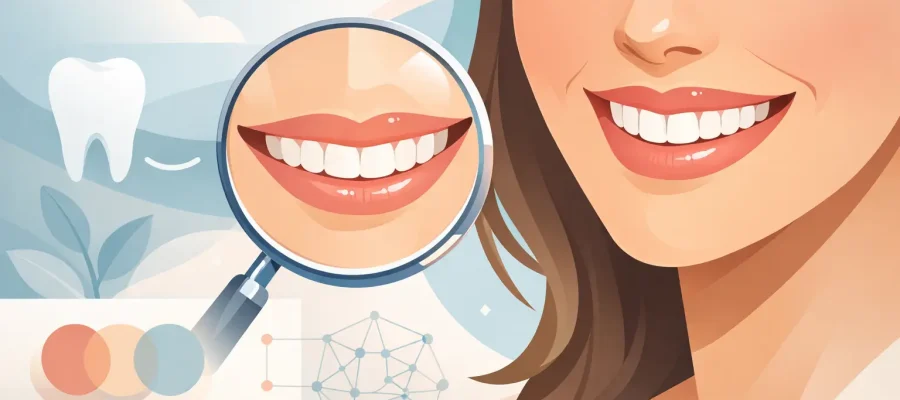
A smile can be bright, straight, and expensive-looking – yet still look unlike the person wearing it. That is the difference between cosmetic dentistry that draws attention to the teeth and a result that simply makes people notice your confidence. What makes a natural looking smile is not one veneer material, whitening shade, or popular “Hollywood Smile” template. It is the precision of making every visible detail work with your face, lips, gums, and natural expression.
For patients considering veneers, crowns, whitening, or a full smile makeover, the goal should not be to copy someone else’s before-and-after. The goal is a signature smile that looks refined in photographs, effortless in conversation, and believable at close range.
What Makes a Natural Looking Smile? Proportion
Natural smiles have rhythm. The front teeth are usually the visual focus, but they should not appear like identical white rectangles lined across the mouth. Their width, length, edges, and tiny variations create a balance that feels human.
A natural-looking smile design begins with facial proportion. The length of the teeth needs to suit the distance between the lips and chin, the width of the smile needs to complement the face, and the visible teeth need to sit naturally within the lip line. A wider smile may look exceptional on one patient and overwhelming on another. Likewise, longer front teeth can create a youthful, elegant effect, but too much length can look artificial or affect speech.
The central incisors usually lead the design. They should have enough presence to frame the smile without dominating it. The lateral incisors and canines then step back subtly in size and shape. These small transitions matter. When every tooth has the same dimensions and a perfectly flat edge, the result can look manufactured rather than naturally beautiful.
The Right Shape Is Personal, Not Trend-Driven
Tooth shape changes the character of a smile. Softer, rounded edges can create a gentle and youthful impression. More defined line angles and slightly squared teeth can look strong and polished. Neither is universally better.
The right design depends on your existing features, including facial structure, age, lip shape, and personal style. A creator who spends hours on camera may prefer a more luminous, symmetrical finish. A professional who wants a quiet improvement may prefer subtle refinements that preserve familiar details. Premium smile design is not about pushing every patient toward the same result. It is about deciding how much transformation fits the person.
This is also where conservative treatment planning matters. If healthy enamel can be preserved while achieving the desired change, that is often the best route. E-Max veneers can deliver highly natural translucency and fine detail when the underlying teeth and bite make them appropriate. Zirconium crowns may be the stronger choice for teeth that need full coverage or more structural support. The material follows the clinical need, not the other way around.
Natural Does Not Mean Imperfect
A natural smile does not need to replicate every chip, stain, or uneven edge in the original teeth. It means avoiding the visual signals that make cosmetic work look obvious. A skilled design can improve symmetry, close spaces, lengthen worn teeth, and brighten color while retaining slight texture, depth, and individual tooth character.
The best result often looks so familiar that friends assume you have simply been taking better care of your teeth.
Color Should Have Depth, Not Just Brightness
The whitest shade is not automatically the most beautiful shade. Extremely bright teeth can look striking under studio lights, but the same shade may look harsh against certain skin tones, lips, or natural eye color. A natural-looking smile has the right brightness for the person, not the highest possible brightness on a shade guide.
Real enamel is not one flat color. It reflects light differently from the gum line to the edge of the tooth. The incisal edge can appear more translucent, while the center of the tooth carries more opacity and body. High-quality ceramic restorations can reproduce these layers, helping veneers and crowns catch light in a way that feels closer to natural enamel.
Whitening also requires judgment. It is ideal for improving the color of healthy natural teeth, but it will not change the shade of existing crowns, veneers, or fillings. If visible restorations are involved, the final shade should be planned before replacement work begins. Otherwise, a newly whitened smile can reveal mismatched dental work.
For some patients, a bright white result is exactly right. For others, a sophisticated natural white creates a more convincing outcome. The difference is determined in the planning stage, not guessed after the final restorations are placed.
Gum Balance Creates the Frame
Even beautifully designed teeth can look unfinished when the gum line is uneven, inflamed, or overly prominent. Gums are the frame around the smile, and their shape strongly affects how long, symmetrical, and polished the teeth appear.
A balanced gum line does not mean every gum peak is perfectly identical. It means the overall contour supports the teeth. If one front tooth appears shorter because of excess gum tissue, gum aesthetics can expose more of the tooth and restore proportion. If recession makes teeth look long or uneven, the treatment plan may need a different approach that protects function and health before pursuing cosmetic changes.
Healthy gums are essential to a lasting cosmetic result. Before veneers, crowns, or implants are finalized, inflammation and periodontal concerns should be addressed. A beautiful smile built on unhealthy tissue is not a premium outcome – it is a short-term visual fix.
A Natural Smile Must Move Naturally
Static photos are useful, but a smile is seen in motion. It appears while you speak, laugh, eat, and react. This is why bite design and lip movement are as important as front-facing symmetry.
Teeth that are too long, too bulky, or placed without respecting the bite can create functional problems. You may notice speech changes, pressure when biting, chipping, jaw tension, or an unnatural feeling when the lips close. In patients with grinding or clenching habits, the risk is even higher. A night guard, bite adjustment, or treatment for masseter muscle tension may be part of protecting the final result.
This is also why “instant” should never mean rushed. Same-day crowns and immediate smile transformations can be excellent options when they are supported by accurate scanning, CAD/CAM technology, and a clinically sound plan. Speed is valuable when it comes from advanced workflow and preparation, not from skipping the details that make a smile look and feel right.
Digital Planning Replaces Guesswork
The most reliable way to create a natural result is to preview it before treatment begins. Digital Smile Design allows the dentist to study your facial proportions, tooth display, lip movement, and desired style. With 3D planning, you can see the direction of the transformation and make informed choices before the final ceramics are produced.
A preview is not just a sales image. It is a communication tool. It helps align expectations between patient, cosmetic dentist, and dental laboratory. You can discuss whether you want softer edges, more length, less visible gum, a brighter shade, or a subtler finish while changes are still easy to make.
At DRGO Smile Clinic, this planning-first approach is central to creating smile makeovers that feel personal rather than predesigned. For international patients, it also adds certainty to a fast, organized treatment journey in Istanbul. The goal is to arrive with a clear vision and leave with a result that has been engineered around you.
The Final Test: Does It Still Feel Like You?
The most successful cosmetic dentistry does more than improve a photo. It changes the way you enter a room, speak in meetings, laugh without covering your mouth, and show up for the moments that matter. Yet it should not erase your identity.
A natural-looking smile is a careful balance of proportion, shade, texture, gum harmony, and function. It may be a subtle improvement or a complete transformation involving veneers, crowns, implants, or gum treatment. What matters is that the final result belongs to your face, supports your bite, and gives you confidence without looking like it was designed for anyone else.