


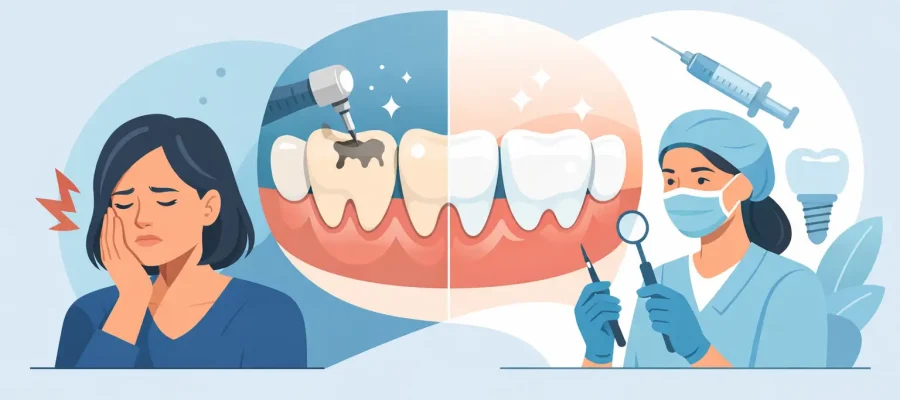
A camera-ready smile should not require white-knuckling your way through treatment. So, is cosmetic dentistry painful? For most patients, no. Modern cosmetic dentistry is designed around controlled comfort: precise planning, effective local anesthesia, gentle techniques, and clear aftercare. You may feel pressure, vibration, or short-lived sensitivity depending on the procedure, but sharp pain during treatment is not something you should be expected to tolerate.
For international patients planning a smile makeover around a wedding, a major career moment, or simply the confidence to show up differently, knowing what the experience actually feels like matters. The answer changes by treatment, your starting oral health, and the amount of preparation required.
Is Cosmetic Dentistry Painful During Treatment?
Most aesthetic procedures are painless once the area is properly numb. Local anesthesia blocks pain while you remain awake, so you can communicate with your dental team. You may still notice the sound of instruments, gentle pressure, and the sensation of water or air. Those sensations can feel unfamiliar, but they are not the same as pain.
The most comfortable treatments are typically professional whitening and non-invasive smile design consultations. Veneers and crowns usually require numbing if teeth need shaping. Implant surgery, gum contouring, and more extensive restorative work require deeper planning and anesthesia, but patients commonly report that the anticipation was more difficult than the appointment itself.
A premium clinic should never treat discomfort as a minor detail. Before treatment begins, your dentist should review your health history, discuss dental anxiety and sensitivity, explain the steps, and agree on a simple signal for pauses. Predictability is part of comfort.
What Each Cosmetic Procedure Usually Feels Like
Veneers and E-Max Smile Makeovers
E-Max veneers can involve little to no tooth preparation in selected cases, while other smile designs require a thin layer of enamel to be shaped for precise fit and natural proportions. If preparation is needed, local anesthesia keeps the appointment comfortable.
During the visit, expect pressure and vibration rather than pain. Temporary veneers can create mild sensitivity to cold or heat for a few days, especially if several teeth were prepared. Once the final veneers are bonded and your bite is carefully adjusted, that sensitivity should settle. A veneer that causes persistent pain, throbbing, or pain when biting needs prompt assessment rather than waiting it out.
Zirconium Crowns and Same-Day Crowns
Crowns protect and reshape teeth that need more coverage than a veneer can provide. The tooth is numbed before preparation, and digital scans replace the old-style experience of messy impression materials. With CAD/CAM workflows, eligible patients may receive a precisely designed crown in one visit.
Your jaw may feel tired after a longer appointment, and the gum around the tooth can be tender briefly. A high bite is one of the most common causes of post-treatment discomfort. It is usually solved with a small, quick adjustment. The goal is a crown that looks refined and feels invisible when you chew.
Professional Teeth Whitening
Whitening does not involve needles or drilling, but it can cause temporary tooth sensitivity. Some patients feel quick, electric-like zings during or after treatment, particularly if they already have sensitive teeth, exposed roots, or enamel wear.
This reaction is usually temporary and manageable. Your dentist can adjust the whitening strength, shorten exposure time, protect the gums, and recommend a sensitivity protocol. Whitening should be tailored to the condition of your teeth, not pushed to the strongest possible shade in one session.
Gum Contouring and Gum Aesthetics
If a gummy smile makes teeth appear short, gum contouring can create a more balanced frame for the smile. The gums are anesthetized, so the procedure itself should be comfortable. Afterward, you may have tenderness, swelling, and sensitivity for several days while the tissue heals.
The trade-off is timing. Gum procedures need adequate healing before final veneers or crowns are placed, because stable gum levels are essential to a polished, symmetrical result. Rushing this stage can compromise the final aesthetic.
Dental Implants, All-on-4, and All-on-6
Implant treatment sounds intimidating because it is surgical, yet many patients say it felt easier than a painful tooth infection or extraction. The mouth is thoroughly numbed, and treatment is planned around 3D imaging to place implants accurately and safely.
After surgery, soreness and swelling are expected, commonly peaking within the first two to three days. Prescription or over-the-counter medication may be recommended based on your medical history and the complexity of the procedure. Full-arch cases can be more demanding than a single implant, particularly when extractions, bone grafting, or a sinus lift are needed.
For suitable candidates, immediate implants and fixed temporary teeth can reduce the emotional discomfort of leaving without a smile. Still, immediate does not mean careless. The implant needs sufficient stability, your bite must be controlled, and healing instructions must be followed precisely before the final bridge is made.
Why One Person Feels Fine and Another Feels Sensitive
Pain is personal, but it is not random. Existing inflammation, untreated decay, gum disease, tooth cracks, clenching, and previous dental trauma can all make a person more sensitive. Extensive treatment across multiple teeth also creates more potential for temporary soreness than a single veneer or whitening session.
Anxiety changes perception, too. When you expect pain, ordinary pressure can feel alarming. That is why visual planning can make a real difference. A Digital Smile Design consultation and 3D preview help you understand the intended tooth shape, shade, and treatment sequence before work begins. You are not sitting in the chair wondering what happens next.
Travel patients should also consider recovery when choosing dates. Do not schedule an implant procedure the day before a long flight home or plan a packed sightseeing itinerary immediately after surgery. A well-designed treatment trip includes time for review appointments, adjustments, and rest.
How a Comfort-First Smile Makeover Is Planned
The best way to avoid painful surprises is to identify risks before treatment, not react to them afterward. At DRGO Smile Clinic, the process starts with diagnostics and smile planning, then moves to a treatment plan built around the health of your teeth, gums, bite, and timeline.
Your dentist may take digital scans, X-rays, photographs, and 3D imaging where required. This determines whether you are a candidate for minimally invasive veneers, whether a tooth needs a crown instead, and whether implants need additional support from grafting or sinus lift treatment. A beautiful result that ignores bite forces or gum health is not a premium result.
On treatment day, anesthesia is placed before any sensitive step. Your team should check that you are fully numb, work with deliberate precision, and keep you informed without overwhelming you. For longer smile transformations, breaks can be built into the appointment. Aftercare instructions should be equally clear, including what to eat, how to clean around restorations, and exactly when to contact the clinic.
When Pain Is Not Normal
Mild soreness, gum tenderness, pressure, and short-lived sensitivity can be part of healing. Severe pain is different. Contact your dental team if pain is worsening after the first few days, medication is not controlling it, swelling rapidly increases, you develop fever, a temporary restoration breaks, or your bite feels uneven.
Do not attempt to solve a bite issue by avoiding one side of your mouth for weeks. Small adjustments protect both your comfort and the longevity of your final smile. This is particularly important after crowns, veneers, and full-arch implant work.
The Real Standard for Comfortable Cosmetic Dentistry
Comfort is more than being numb for an appointment. It is knowing your treatment is clinically appropriate, seeing the plan before you commit, having a realistic recovery window, and being supported if something needs attention. That is what turns cosmetic dentistry from a stressful unknown into a controlled, confidence-building experience.
If you are considering a signature smile, ask for a consultation that addresses more than the final photo. The right plan should make room for your health, your schedule, and your comfort from the first scan to the final bite check.