


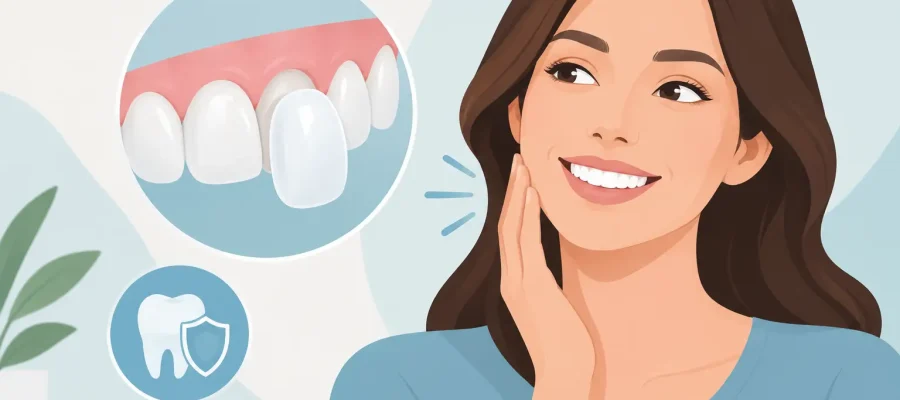
A cold sip of water should not make you question your smile makeover. Yet if you already feel a sharp twinge from iced coffee, whitening strips, or breathing in cool air, asking are E-Max veneers suitable for sensitive teeth? is exactly the right place to start.
For many patients, the answer is yes. E-Max veneers can be an excellent aesthetic option for sensitive teeth when the sensitivity is understood and controlled before treatment begins. The material itself is not the usual problem. What matters is the health of the tooth beneath it, how much enamel is available, the preparation technique, and the precision of the final bond.
A flawless Hollywood Smile should look exceptional without leaving you worried about every hot or cold drink. That is why a quality veneer plan starts with diagnosis, not a shortcut to a brighter shade.
Why teeth become sensitive in the first place
Tooth sensitivity happens when stimuli reach the inner structures of a tooth more easily than they should. Enamel can be worn down by aggressive brushing, acidic drinks, grinding, or natural wear. Gum recession can expose root surfaces. Old fillings, small cracks, leaking restorations, cavities, and recent whitening can also create sensitivity.
This distinction matters because sensitivity is a symptom, not a diagnosis. A brief reaction to cold may be manageable. Lingering pain, spontaneous throbbing, pain when biting, or one tooth that suddenly feels different can point to a deeper issue that needs treatment before cosmetic work is considered.
For international patients planning a defined treatment trip, this is where digital records and a detailed clinical review become especially valuable. Recent X-rays, photos, a medical history, and a clear description of your symptoms help your dentist plan appropriately before you travel. On arrival, an in-person examination confirms whether a veneer is the right solution for every tooth in the smile design.
Are E-Max veneers suitable for sensitive teeth in every case?
Not in every case. E-Max veneers are thin restorations made from lithium disilicate ceramic, selected for their lifelike translucency, strength, and ability to mimic natural enamel. When bonded to healthy enamel with a precise adhesive protocol, they can cover worn or discolored front surfaces while preserving much more natural tooth structure than a full crown.
That conservative approach can make E-Max a strong choice for someone with mild, stable sensitivity. In some cases, covering exposed or worn enamel with a carefully bonded veneer may even reduce sensitivity to temperature. The result depends on the cause, however. A veneer is not a treatment for untreated decay, active gum disease, infection, or a cracked tooth extending beyond the cosmetic surface.
If sensitivity comes from deep decay, a large old restoration, significant tooth loss, or weak enamel, a crown or another restorative approach may provide better protection. If the nerve inside the tooth is inflamed or infected, root canal treatment may be needed first. The premium result is not forcing veneers onto every tooth. It is selecting the restoration that protects the tooth and delivers the most natural smile.
The detail that protects comfort: preparation
Patients often associate veneers with tooth shaving. Modern E-Max treatment is more refined than that image suggests. Depending on the position, color, shape, and alignment of the tooth, preparation may be minimal or, in selected cases, no-prep. The goal is to create enough room for the ceramic while preserving as much healthy enamel as possible.
Enamel is ideal for predictable veneer bonding. When a veneer is bonded mainly to enamel, the seal is generally more stable and the tooth is less likely to experience avoidable irritation. Excessive reduction can expose dentin, the more sensitive layer beneath enamel. That is why a rushed, one-size-fits-all preparation can create discomfort and compromise long-term results.
At DRGO Smile Clinic, digital smile planning allows the team to preview tooth proportions, edge length, and facial balance before finalizing the design. That planning helps determine where space is needed and where natural tooth structure can remain untouched. A 3D preview is not just about visual confidence. It supports a more controlled, conservative treatment plan.
What the treatment journey should look like
For a patient with sensitive teeth, the appointment sequence should be comfort-first from the first scan to final placement. A clinician should assess gums, bite, enamel thickness, existing restorations, decay, cracks, and the pattern of sensitivity. If necessary, the underlying issue is treated before the cosmetic phase begins.
Once the teeth are stable, digital scans and smile design guide the proposed shape and shade. You should have a chance to review the direction of the smile before the ceramics are made. This is especially valuable if you are traveling for treatment and want the outcome to feel intentional, personal, and camera-ready.
During preparation, local anesthesia can keep the process comfortable. If teeth are prepared, temporary veneers may be used while the final E-Max veneers are crafted. Temporary restorations can feel slightly different, and some patients notice temporary sensitivity during this stage. That does not automatically mean the final veneers will cause ongoing discomfort, but it should be monitored and discussed.
At the final visit, the fit, bite, shade, and surface texture are checked before bonding. The teeth are isolated to keep moisture away from the bonding field, and each veneer is bonded with precise adhesive technique. This stage is crucial. A poor fit, contamination during bonding, or bite pressure in the wrong place can create problems that a beautiful shade alone cannot hide.
Factors that can make sensitivity more likely
Sensitivity after veneers is usually temporary when it occurs, but certain conditions require extra planning. Patients who grind or clench their teeth need bite evaluation and often a protective night guard after treatment. Repeated pressure can stress both the teeth and the veneer edges.
Heavy whitening immediately before veneers can also increase sensitivity. Whitening can be scheduled strategically, especially if you want the surrounding natural teeth to match a brighter final smile. Likewise, gum recession may need to be addressed before veneer planning if it affects exposed roots or the visible gum line.
Be direct about habits that affect enamel: frequent energy drinks, reflux, nail biting, using teeth as tools, and very hard brushing. These details are not a reason to deny treatment. They help shape a plan that protects your investment and keeps your new smile comfortable for the long term.
How to manage sensitive teeth before and after veneers
Before treatment, use a sensitivity toothpaste consistently rather than switching products every few days. A soft toothbrush and gentle technique protect enamel and gums better than hard brushing. If cold sensitivity is new, severe, or isolated to one tooth, arrange an examination instead of assuming it is routine sensitivity.
After E-Max veneers are placed, avoid testing them with extreme temperatures in the first days. Follow your dentist’s instructions on eating, brushing, and any prescribed products. Mild short-term sensitivity can settle as the tooth and surrounding tissues adjust. Pain that increases, wakes you at night, lingers after hot or cold exposure, or makes biting difficult should be assessed promptly.
Your follow-up routine matters as much as the final photo. Professional cleanings, a bite check, and a night guard when recommended help preserve the integrity of the veneers and the comfort of the teeth underneath.
The right question is not just whether veneers are possible
If you have sensitive teeth, do not settle for a generic yes or no. Ask what is causing the sensitivity, how much enamel can be preserved, whether each tooth truly needs a veneer, and what protection your bite requires after treatment. Those answers turn a cosmetic procedure into an engineered smile transformation.
The best E-Max result feels as good as it looks: natural in motion, confident in photographs, and comfortable when you enjoy the first cold drink of your trip.