


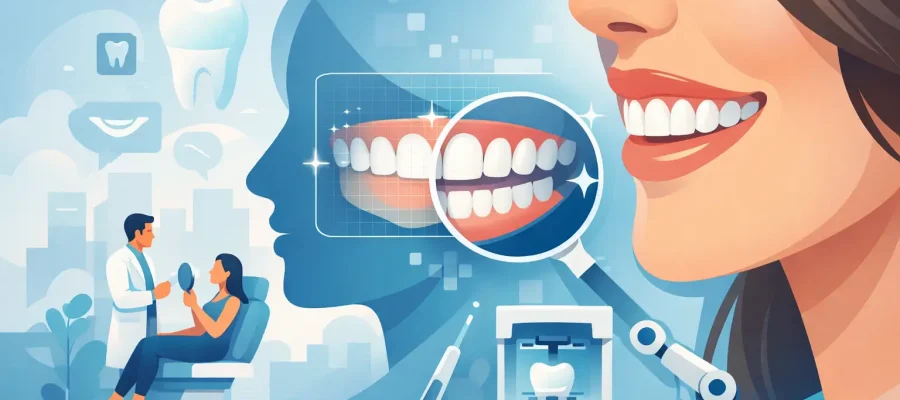
A flawless smile used to mean a long treatment calendar, multiple appointments, temporary restorations, and weeks of waiting to see the real result. The future of immediate smile makeovers looks very different. It is faster, more visual, more customized, and far more controlled from the first scan to the final placement.
For patients flying in for a life upgrade, that shift matters. If you are booking treatment around a wedding, a launch, a media appearance, or simply a limited travel window, speed alone is not enough. What matters is predictable speed – the kind backed by digital planning, precise manufacturing, and a clinic team that can move from diagnosis to delivery without guesswork.
What immediate smile makeovers are becoming
An immediate smile makeover is no longer just about getting teeth done quickly. The next phase is about compressing treatment time without lowering the standard of the finish. That means more cases planned digitally, more restorations designed around facial proportions, and more same-visit or short-stay workflows built for international patients.
This is where cosmetic dentistry is separating into two categories. One is basic fast dentistry, where speed is the main selling point. The other is engineered aesthetic dentistry, where every stage is accelerated but still controlled. The future belongs to the second model.
Patients are becoming more selective, and they should. They want to see their smile before treatment starts. They want to understand how veneers, crowns, gum contouring, whitening, or implants will work together. They want a result that looks expensive, natural on camera, balanced in person, and stable over time.
Why the future of immediate smile makeovers is digital first
The biggest change is not one material or one machine. It is the planning model. Digital Smile Design, 3D scans, facial analysis, and CAD/CAM production are turning cosmetic dentistry into a more visual and measurable process.
That changes the patient experience immediately. Instead of relying on imagination, patients can preview shape, proportions, tooth length, edge position, and smile line before final treatment begins. For image-conscious professionals and creators, this is a major upgrade. You are not buying a vague promise. You are reviewing a planned outcome.
Digital planning also improves communication between the dentist, lab, and patient. If a smile needs to look softer, more athletic, more youthful, or more defined, those choices can be translated into design parameters rather than discussed in broad, subjective terms. That reduces surprises.
There is still an art to great smile design, of course. Technology does not replace judgment. It sharpens it. The most successful immediate makeovers will come from clinics that combine advanced software with aesthetic restraint, occlusion planning, and a clear understanding of facial harmony.
Speed will matter, but precision will matter more
Same-day crowns, immediate implants, and rapid veneer workflows are not new. What is changing is how reliably they can be delivered at a high level. Better scanners reduce distortion. Better milling and finishing improve fit. Better photography and simulation tools create stronger alignment between expectation and outcome.
That does not mean every patient should expect every procedure in a single day. Some should. Some should not. Soft tissue healing, bite complexity, bone quality, and the condition of the existing teeth still shape the right timeline. The future is not reckless speed. It is smarter case selection.
This is where high-trust clinics will stand out. They will be the ones willing to say when a one-visit approach is ideal, when a staged plan is safer, and when immediate aesthetics should be separated from final definitive work.
Materials are getting stronger and more natural
The future of immediate smile makeovers is also material-driven. Patients want brightness, but not the flat, artificial look that gave older cosmetic work a bad reputation. Newer ceramics and zirconia systems are helping clinics create smiles that read as polished and camera-ready without looking bulky or opaque.
For veneers and crowns, strength and translucency now have to coexist. The best aesthetic outcomes will come from materials selected case by case, not from a one-material-fits-all approach. E-Max may be ideal for one patient chasing lifelike translucency in the smile zone. Zirconia may be the better choice where strength, coverage, or bite demands are greater.
That level of customization is becoming the expectation, especially among international patients comparing premium clinics. They are not just asking how fast the smile can be delivered. They are asking what it is made from, how it will photograph, how it will age, and whether it will still look refined two years from now.
Immediate implants will keep evolving
One of the most important areas of growth is immediate implant dentistry. For the right patient, extracting a failing tooth and placing an implant with a provisional restoration in a compressed timeline can be life-changing. It reduces the emotional and social cost of walking around with gaps or removable solutions.
The future here is about tighter integration between surgical planning and final aesthetics. CBCT imaging, guided surgery, and prosthetic-first planning are making it easier to place implants where the final smile needs them, not just where bone happens to be available.
For full-arch patients, immediate fixed teeth are already redefining what is possible in one trip. That said, this area carries real complexity. Bone density, gum architecture, bite force, parafunction, and healing capacity all influence whether immediate loading is appropriate. Premium care means knowing when to move fast and when to protect the long-term result.
The smile makeover will become more multidisciplinary
The best immediate results increasingly come from coordinated treatment rather than a single procedure. A smile may need veneers or crowns, but also gum shaping to correct proportions, whitening for untreated teeth, implant work to restore support, or masseter Botox to soften a heavy jawline and protect restorations in grinders.
This multidisciplinary approach is part of what the market is rewarding. Patients want one team that can see the full picture. They do not want to patch together a cosmetic plan in one office, a surgical plan in another, and a travel experience on their own.
That is especially true in medical tourism, where convenience is not a luxury detail. It is part of the treatment model. A clinic that can combine diagnostics, design, treatment, accommodation coordination, airport transfers, and close communication creates a smoother path from interest to result. For international patients, less friction often means more confidence.
Luxury will become part of clinical trust
There was a time when luxury in dentistry mostly meant a nicer waiting room. That is no longer enough. In the next stage of this market, luxury will mean control, clarity, and comfort at every step.
Patients paying for immediate transformation expect premium logistics because logistics affect outcomes. Delays, poor communication, unclear scheduling, and fragmented aftercare can turn a beautiful treatment plan into a stressful experience. The clinics that lead the future of immediate smile makeovers will treat concierge support as part of the clinical promise.
That includes interpreters when needed, transparent timelines, realistic hotel planning, guided recovery instructions, and strong case management before arrival. For a patient traveling from the US, those details are not extras. They reduce uncertainty and make same-trip dentistry feel safe enough to commit to.
What patients will demand next
The next wave of demand is already visible. Patients want faster treatment, but they also want proof. They want before-and-after consistency. They want to know whether the preview matches the delivered smile. They want fair package pricing without hidden revisions or vague promises.
They are also becoming more educated about over-treatment. That is a healthy shift. The future is not the biggest, whitest, most aggressive smile possible. It is a smile that fits the face, respects function, and delivers impact without looking generic.
Clinics that win in this space will be the ones that can produce a signature smile without producing the same smile for everyone. Personalization will become the real luxury marker.
At DRGO Smile Clinic, this is exactly where premium same-day and short-stay dentistry is headed – not just faster treatment, but a more controlled journey built around digital previews, disciplined planning, and a result that feels tailored rather than mass-produced.
A smarter future, not just a quicker one
The future of immediate smile makeovers is not about rushing dentistry. It is about removing wasted time, reducing uncertainty, and giving patients a better view of the final result before they commit. That is a powerful shift for anyone investing in cosmetic or implant treatment while managing a career, a public image, or a packed schedule.
The smartest patients will keep asking harder questions. Can I preview the result? Is this material right for my bite and look? Should this be done in one visit, or two? What is immediate because it is advanced, and what is immediate because someone is cutting corners?
That is the right mindset to bring into your next consultation. The best smile makeovers of the future will not just look impressive on day one. They will be planned well enough to keep earning compliments long after the trip is over.