


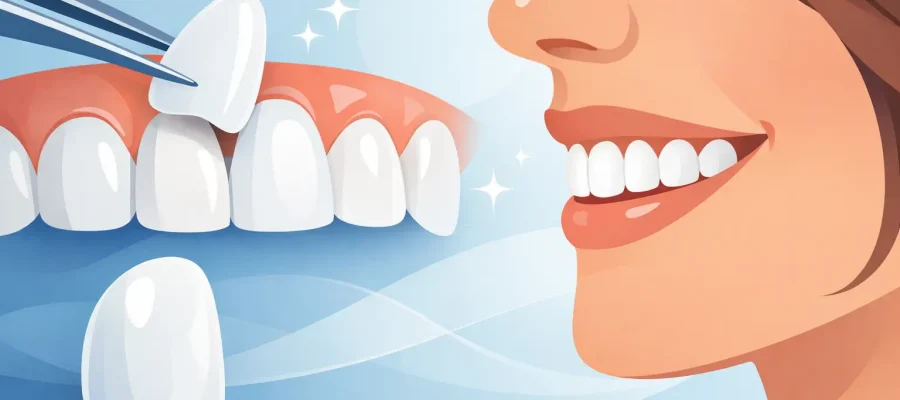
A front-tooth veneer has nowhere to hide. It is visible when you speak, laugh, take a close-up photo, or walk into an important meeting. So, are E-Max veneers good for front teeth? For the right candidate, they are one of the strongest and most natural-looking choices in modern cosmetic dentistry – provided the smile is planned precisely and the bite is stable.
E-Max is not simply a premium material choice. It is a type of glass-ceramic designed to combine lifelike translucency with dependable strength. That combination matters most in the smile zone, where patients want teeth that look bright and refined without appearing flat, opaque, or artificial.
Why E-Max works so well in the smile zone
Natural enamel does not reflect light like a solid white block. It has depth, subtle translucency, and small variations in color. E-Max ceramic is valued because it can reproduce that effect more convincingly than many more opaque restorative materials.
For front teeth, this means a skilled cosmetic dentist can create veneers that catch light naturally at the edges while maintaining the brightness needed for a polished Hollywood Smile. The final look can be clean and camera-ready, but still believable at conversational distance.
E-Max is also highly versatile. It can correct common aesthetic concerns including discoloration that whitening cannot fully improve, small chips, uneven edges, gaps, worn enamel, mildly rotated teeth, and teeth that appear too narrow or short. Rather than treating every issue as a separate problem, veneers can bring color, proportion, symmetry, and surface texture into one coordinated smile design.
Natural translucency without sacrificing strength
E-Max veneers are made from lithium disilicate ceramic. In practical terms, that gives them a favorable balance: they are strong enough for front-tooth function while allowing light to pass through in a way that resembles enamel.
Front teeth do not absorb heavy chewing forces in the same way molars do. Their job is primarily to bite and tear food, while also defining the visual character of the smile. This makes E-Max particularly suitable when the goal is a high-aesthetic result with conservative preparation.
The material is not indestructible. No veneer is. Biting ice, opening packaging with your teeth, or untreated clenching can crack even excellent ceramic work. But with the right design, professional bonding, and sensible aftercare, E-Max veneers can perform beautifully for many years.
Are E-Max veneers good for front teeth in every case?
Not automatically. The best veneer material depends on what sits underneath it, how the teeth meet, and what level of color change is required. A premium smile makeover is never just about choosing the most popular ceramic.
If your natural front teeth are healthy, reasonably aligned, and have enough enamel for predictable bonding, E-Max is often an excellent option. Minimal-prep or conservative veneers may be possible in selected cases, preserving more of the natural tooth structure.
However, a different solution may be recommended when there is severe tooth damage, very dark underlying tooth color, large old fillings, weak enamel, or a bite that puts excessive pressure on the front teeth. In these situations, zirconium crowns, orthodontic treatment before veneers, bite management, or restorative treatment may deliver a safer long-term result.
A good clinic does not force every smile into a veneer plan. It identifies whether veneers will look refined, function correctly, and remain stable after you return home.
When E-Max may not be the first choice
Very dark teeth can occasionally require more opacity than a thin E-Max veneer provides. A dentist may need to use a more opaque ceramic, adjust the tooth preparation, or combine treatments to prevent dark color from showing through.
Heavy grinders and clenchers also need careful evaluation. A night guard can protect the investment, but if the bite is severely unbalanced, that must be addressed before final placement. Veneers should enhance a healthy foundation, not cover a functional problem that is still active.
Patients with untreated gum inflammation, decay, or significant crowding should resolve those concerns first. The most convincing front veneers emerge from healthy gums, clean margins, and teeth positioned to support the intended shape.
The detail that determines whether veneers look premium
Two patients can choose the same E-Max ceramic and receive very different results. The difference is not the brand of material alone. It is planning.
At DRGO Smile Clinic, a front-tooth makeover begins with facial analysis, digital records, and Digital Smile Design. The team considers your lip line, gum display, facial proportions, existing tooth shade, tooth length, and how much of your smile shows at rest and in motion. This is how veneers become a signature smile rather than a row of generic white teeth.
A 3D preview is especially valuable for international patients. It allows you to see the direction of the new smile before finalizing the design, discuss preferences such as brighter versus more natural color, and make decisions with greater confidence. A great result should feel intentional before any ceramic is bonded.
Shape matters as much as shade
Patients often arrive asking for the whitest possible veneers. Brightness can be striking, but shape is what makes a smile look tailored to you. Teeth that are too long, too square, too uniform, or too bright for the complexion can look artificial, even when the ceramic quality is exceptional.
A well-designed E-Max smile balances the central incisors, lateral incisors, and canines so each tooth has a role. The edges may be softened or more defined depending on your facial features and personal style. Tiny surface details can be added to create a natural finish, while symmetry is controlled without making every tooth look cloned.
This is the aesthetic advantage of custom ceramics over one-size-fits-all cosmetic work. You are not buying a color. You are investing in proportion, expression, and presence.
What the E-Max veneer process looks like
The treatment sequence should feel organized, not rushed. For many international smile makeover patients, the process is planned around an efficient Istanbul stay while leaving enough time for clinical checks and aesthetic refinement.
First comes the consultation and digital planning stage. Photos, X-rays or scans where needed, bite analysis, and a discussion of your smile goals create the clinical blueprint. If gum contouring, whitening, or restorative treatment is necessary, it is incorporated before the veneer design is finalized.
Next, the teeth are prepared conservatively when preparation is needed. A small amount of enamel may be shaped to create room for the ceramic and ensure the veneers do not look bulky. Digital impressions then capture precise details for the laboratory or CAD/CAM workflow.
At the try-in appointment, the veneers are assessed for fit, color, length, bite, and smile harmony. This is the moment to confirm that the result matches the approved vision. Once the details are right, the veneers are bonded to the enamel using a precise adhesive protocol.
The final visit is not merely a handover. Your dentist checks bite contacts, polishes the margins, confirms comfort, and gives clear aftercare guidance. A refined result should feel as good as it looks.
How long do E-Max veneers last on front teeth?
With good care, E-Max veneers commonly last 10 to 15 years and can last longer. Their lifespan depends on the quality of bonding, the amount of natural enamel available, your bite, hygiene habits, and whether you protect them from grinding.
Daily care is straightforward: brush with a non-abrasive toothpaste, floss consistently, and maintain professional hygiene appointments. Veneers do not decay, but the natural tooth structure and gumline around them still need care. Avoid using your front teeth as tools, and wear a custom night guard if you clench or grind.
Coffee, red wine, and similar foods do not stain ceramic in the same way they stain natural enamel. Still, the natural teeth around veneers may change color over time. If you are only treating a few front teeth, your dentist should plan the initial shade with this in mind.
The real value of choosing E-Max for front teeth
E-Max veneers can give front teeth the qualities patients notice most: believable brightness, elegant proportions, smooth texture, and confidence in photographs and real life. But the most successful cases are not built on material alone. They are built on healthy teeth, disciplined preparation, precise bonding, and a design that fits your face rather than a trend.
If you are considering veneers from abroad, ask to see the plan before you travel. A detailed digital preview, clear timeline, and honest discussion of alternatives will tell you far more than a before-and-after photo ever can. The right front-tooth veneers should make people notice your smile, not your dental work.