


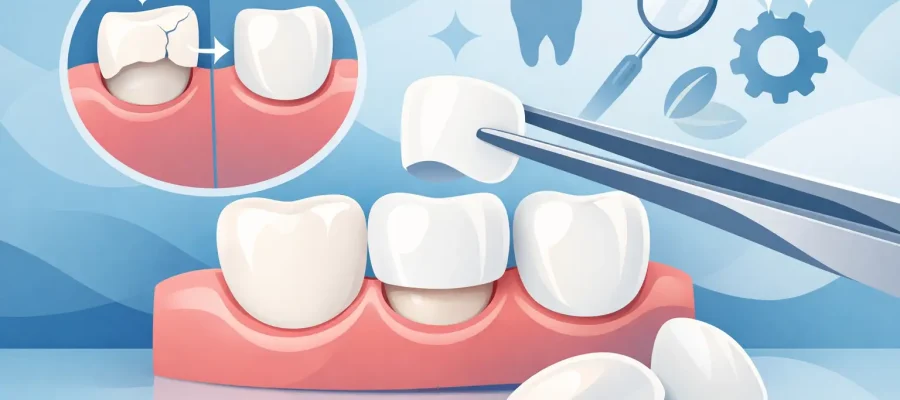
A veneer that once looked bright and camera-ready can eventually begin to feel out of step with the rest of your smile. Maybe its color no longer matches your whitening goals, an edge has chipped, or your gums have changed around it. So, can dental veneers be replaced? Yes. Replacement is a common, highly planned cosmetic procedure, but the right approach depends on the condition of the veneer, the tooth beneath it, and the result you want next.
For patients traveling for a Hollywood Smile transformation, the goal should not be to simply place a new shell over an old problem. The goal is a refined, natural-looking smile that protects your teeth and is engineered to perform beautifully for years.
Can dental veneers be replaced safely?
In most cases, yes. A skilled cosmetic dentist can carefully remove an existing veneer and place a new one after evaluating the supporting tooth and gum tissue. Veneers are bonded strongly to enamel, so removal requires precision. The dentist uses controlled techniques to separate the porcelain or composite material from the tooth while preserving as much healthy tooth structure as possible.
What happens next depends on what is found beneath the veneer. If the tooth is healthy and the preparation is still suitable, a new veneer can often be designed and bonded with minimal additional preparation. If there is decay, a crack, weakened bonding surface, or a large existing filling, the plan may need to change. In some situations, a ceramic crown provides more complete protection than another veneer.
This is why a replacement veneer should never be chosen from a photo alone. A proper assessment includes digital scans, bite analysis, gum evaluation, and, when needed, X-rays. The visible surface matters, but the foundation matters more.
Why veneers need replacement
Porcelain veneers are durable, but they are not permanent. High-quality ceramic veneers can often last 10 to 15 years or longer with thoughtful care, although every smile has a different timeline. Composite veneers usually require earlier maintenance or replacement because the material can stain, wear, and chip more easily.
The most common reason is aesthetic change. Natural teeth can darken over time, while porcelain remains stable in color. If you whiten your natural teeth years after receiving veneers, the contrast can become noticeable. Patients also replace veneers when their preferences evolve. A smile that felt right a decade ago may now appear too opaque, too bulky, too white, or too uniform.
Clinical reasons can be more urgent. Chipping, fractures, looseness, leakage around the veneer margin, decay, gum recession, and bite-related wear all deserve professional evaluation. A veneer may look intact from the front while the bond at its edges is failing. Addressing that early can help protect the underlying tooth.
The replacement process, step by step
A premium veneer replacement starts with design, not drilling. Your dentist should first understand what you want to improve: color, tooth length, symmetry, shape, gum display, bite comfort, or all of the above. For patients planning treatment abroad, this early stage is particularly valuable because it creates a clear clinical roadmap before travel.
1. Digital evaluation and smile planning
Photos, digital scans, and facial measurements are used to evaluate how the teeth work with your lips, smile line, and facial proportions. Digital Smile Design can show a 3D preview of proposed changes, helping you decide whether you want subtle refinement or a full Hollywood Smile redesign.
The planning stage also identifies whether all veneers need replacement. Sometimes only one or two teeth have failed, while the surrounding veneers remain healthy and aesthetically appropriate. Matching a single replacement to older porcelain can be challenging, especially if the original shade or laboratory records are unavailable. Replacing a larger visible group may create a more consistent color and texture result.
2. Gentle removal of the old veneer
The existing veneer is removed under magnification and with careful control. The objective is to protect the remaining enamel and avoid unnecessary reduction of the natural tooth. Patients typically receive local anesthesia, so the procedure is designed to be comfortable.
Once the veneer is off, the tooth is inspected closely. Any hidden decay, old bonding material, or structural concern is treated before the new restoration is made. This is the moment when the most responsible treatment plan becomes clear. A veneer may still be ideal, or a crown may offer the safer long-term choice.
3. Trial smile and final design approval
For a full smile makeover, a mock-up or try-in allows you to see the planned proportions before final placement. You can assess the teeth while speaking and smiling, not just while sitting under a dental light. Small refinements to length, contours, and brightness are easier to make at this stage than after bonding.
High-grade ceramics such as E-Max are popular for veneers because they combine natural translucency with impressive strength. The best material, however, is not automatically the strongest or whitest option. It must suit your bite, tooth position, enamel condition, and desired level of brightness.
4. Bonding and bite refinement
The final veneers are bonded using a carefully controlled adhesive protocol. Each veneer is checked for fit, shade, contacts between teeth, and edge alignment. Your bite is then adjusted so that the new ceramics are not taking excessive force when you close, chew, or move your jaw.
A rushed bite check can shorten the life of an otherwise excellent veneer. Precision here protects both the result and your comfort.
Will your teeth be damaged when veneers are replaced?
This concern is understandable, especially for patients who received veneers years earlier without clear information about preparation. Teeth are not automatically damaged by veneer replacement, but they do need careful management. Traditional veneers usually require some enamel reduction during the original procedure, and that enamel does not grow back. Once a tooth has been prepared for a veneer, it will generally continue to need a veneer or another restoration.
The amount of healthy enamel remaining is one of the key factors in deciding what comes next. Strong enamel supports predictable veneer bonding. If a tooth has become heavily restored, cracked, or significantly reduced, a crown may be clinically wiser. An ethical smile makeover does not force every tooth into the same treatment category.
Gum health matters, too. If the gums are inflamed, uneven, or have receded, replacing veneers without addressing the tissue can create visible margins and an unbalanced result. In selected cases, gum contouring or periodontal treatment is completed first so the final smile frame is stable.
Veneer replacement or crowns: which is right?
Veneers are conservative restorations designed mainly for the front surface of teeth. They are an excellent choice when the tooth is structurally sound and the main concern is appearance, minor shape correction, spacing, or discoloration.
Crowns cover the entire tooth. They are usually recommended when there is extensive decay, a large filling, a root canal-treated tooth, a substantial fracture, or limited remaining enamel. A crown can deliver a beautiful cosmetic result, but it requires more tooth coverage than a veneer. The decision should be based on preservation and stability, not on a one-size-fits-all smile package.
For a full makeover, it is common to combine treatments. A patient may need veneers on healthy front teeth, crowns on structurally compromised teeth, whitening for lower natural teeth, and gum aesthetics to create a balanced final result.
How to make replacement veneers last
Your daily habits directly affect the life of a new smile. Brush with a non-abrasive toothpaste, clean between teeth every day, and keep regular hygiene appointments. Porcelain will not stain like natural enamel, but the edges around veneers can collect plaque, and gums can recede if oral hygiene slips.
If you grind or clench, a custom night guard is not optional protection – it is a smart investment in your ceramics and natural teeth. Avoid using veneers to open packaging or bite hard objects. If you play contact sports, wear a properly fitted mouthguard.
For international patients, it is also worth choosing a clinic that provides clear aftercare guidance and records of your ceramic materials and shades. That information makes future maintenance more straightforward, wherever you live.
At DRGO Smile Clinic, veneer replacement is planned as a full aesthetic and clinical reset, using digital smile previews to align the final result with your face, goals, and bite. Whether you are refreshing one visible tooth or redesigning an entire smile, the best next step is a detailed evaluation that respects the teeth you already have and the confidence you want to show every day.