


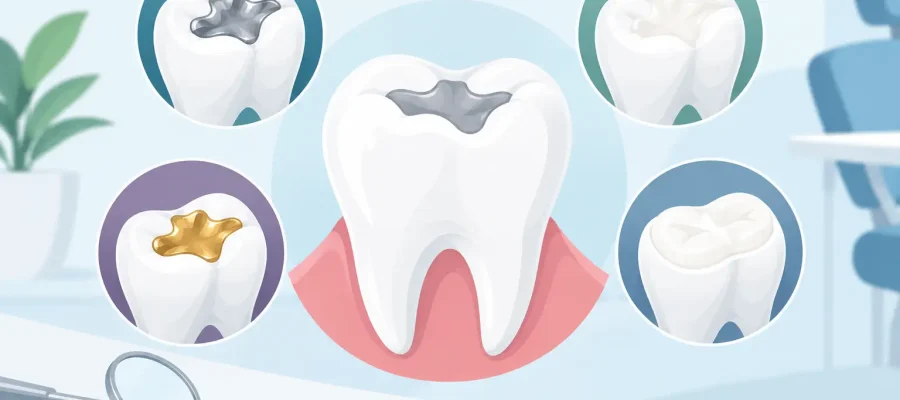
A small cavity can become a much bigger decision when it sits in a visible tooth, affects your bite, or reveals deeper damage beneath the enamel. Dental fillings: understanding different treatment options starts with one principle: the best restoration is not simply the fastest or whitest option. It is the option that removes decay, protects healthy tooth structure, and looks natural in your smile.
For international patients planning cosmetic treatment in Istanbul, fillings may also be part of a larger smile plan. A worn filling can alter tooth color, compromise the edge of a veneer or crown, or create discomfort when you bite. With precise digital assessment, your dentist can decide whether a conservative filling is enough or whether an inlay, onlay, crown, or root canal treatment will deliver the more predictable long-term result.
Dental Fillings: Understanding Different Treatment Options
A filling restores the portion of a tooth lost to decay, minor fracture, or wear. The dentist removes damaged tissue, cleans and shapes the area, then places a material designed to seal the tooth and re-create its original contour.
The treatment sounds simple, but material selection matters. A small cavity between front teeth requires a different approach from a large, load-bearing repair in a back molar. The location of the tooth, size of the defect, bite force, appearance goals, and condition of the surrounding enamel all influence the decision.
Composite resin fillings
Composite resin is the most common choice for patients who want a natural-looking result. This tooth-colored material can be matched closely to the shade and translucency of surrounding enamel, making it especially effective for front teeth and visible areas of the smile.
Composite is placed in layers and hardened with a curing light. This layering allows the dentist to sculpt natural anatomy and preserve more healthy tooth structure than may be required for some older filling techniques. It is also highly versatile: composite can repair a cavity, close a small chip, correct a minor contour issue, or replace a discolored existing filling.
The trade-off is that composite may stain or wear over time, particularly in patients who smoke, drink significant amounts of coffee or red wine, grind their teeth, or have a heavy bite. A well-placed composite filling can last for years, but it is not permanent. Regular examinations allow your dentist to catch marginal wear or leakage before it becomes a larger repair.
Amalgam fillings
Amalgam is a silver-colored filling material that has been used for decades, particularly in posterior teeth. It is durable, relatively economical, and can perform well in areas exposed to strong chewing forces.
Its main disadvantage is aesthetics. The dark metallic appearance can be visible when laughing or speaking, and older amalgam fillings can sometimes discolor the surrounding tooth over time. Amalgam also does not bond directly to tooth structure in the same way composite does, so placement may require the removal of more healthy enamel in certain situations.
Some patients choose to replace old amalgam fillings for cosmetic reasons. That decision should be based on the filling’s condition, the health of the surrounding tooth, and the overall treatment plan, not appearance alone. A stable restoration does not always need immediate replacement.
Glass ionomer fillings
Glass ionomer materials are often used in specific clinical situations rather than as a premium aesthetic solution for high-pressure chewing surfaces. They can release fluoride, which may be useful for patients at higher risk of decay or for fillings near the gumline and on root surfaces.
Because glass ionomer is generally less wear-resistant than composite or ceramic, it is not usually the first choice for a large molar cavity. It can be an excellent conservative option when the clinical need is prevention-focused, temporary, or located in a low-stress area.
Ceramic inlays and onlays
When damage is too extensive for a direct composite filling but the tooth does not need full crown coverage, ceramic inlays and onlays offer an elevated middle ground. These are custom-made restorations, often created from high-strength porcelain or ceramic, then bonded into place.
An inlay fits inside the chewing surface of the tooth. An onlay extends over one or more cusps, which are the raised points of a molar. Both can recreate the color, shape, and strength of natural enamel with exceptional precision.
Ceramic restorations are often ideal for patients who want a refined aesthetic result and greater durability than a large direct filling can provide. They can be digitally designed and milled with CAD/CAM technology, allowing certain cases to be completed efficiently during a short treatment stay. The trade-off is cost and preparation time: a custom ceramic restoration requires more planning than a routine filling, but may provide stronger long-term protection for a heavily restored tooth.
Gold fillings and onlays
Gold remains one of the most durable restorative materials in dentistry. It is gentle on opposing teeth, highly resistant to wear, and can last for decades with proper care. However, its unmistakable appearance and premium cost mean it is a selective choice for modern patients.
For someone seeking a flawless Hollywood Smile or a highly natural back-tooth restoration, ceramic is more commonly preferred. Gold may still appeal to patients who value longevity over color matching, especially in less visible areas of the mouth.
When a Filling Is Not Enough
A filling is designed for localized damage. If decay has weakened a large portion of the tooth, reached the nerve, or caused a crack that extends under the gumline, placing a larger filling may create a short-term fix rather than a dependable solution.
A crown may be recommended when the remaining tooth walls are too thin to support a filling safely. Root canal treatment may be needed if bacteria have reached the pulp, often signaled by lingering sensitivity, spontaneous pain, swelling, or discomfort when biting. In some cases, an onlay can preserve more natural tooth structure than a full crown while still protecting weakened cusps.
This is why X-rays and a careful clinical examination matter. A tooth can appear to have a minor dark spot while deeper decay progresses between teeth or beneath an old restoration. The goal is not to over-treat a tooth. It is to select the least invasive treatment that will remain stable under real-life function.
What Happens During a Modern Filling Appointment
Most straightforward fillings can be completed in one visit. After numbing the area, your dentist removes decay or old filling material and checks that the remaining tooth is sound. The tooth is isolated to control moisture, which is especially important for composite bonding.
For a composite filling, the surface is conditioned, bonded, and rebuilt in small layers. Your dentist shapes the material, hardens it with a curing light, then adjusts the bite so the tooth feels natural when you close your teeth together. A final polish helps the restoration blend into the smile and resist surface staining.
For a ceramic inlay or onlay, digital scanning may replace traditional impressions. The restoration is designed to fit the tooth precisely and reviewed for bite, contact points, and color before final bonding. At DRGO Smile Clinic, digital planning can also help coordinate restorative details with broader cosmetic work, so every restoration supports the final smile design rather than interrupting it.
Choosing the Right Option for Your Smile and Schedule
If you are traveling for dental care, your timeline should be planned around the complexity of the treatment. A small composite filling may be completed in a single appointment, while multiple ceramic restorations, crowns, or treatments involving infection need enough time for careful evaluation and review.
Do not choose a material based on appearance alone. A front-tooth filling needs invisible color integration. A back-tooth restoration needs strength and stable bite contact. If you are planning whitening, it should usually be discussed before final shade matching, because fillings and ceramic restorations do not whiten once placed.
Teeth grinding is another deciding factor. Patients with bruxism may benefit from a night guard after restorative treatment to protect composites, ceramics, crowns, and natural enamel. This small step can substantially extend the life of your investment.
A precise filling should disappear into daily life: no sharp edge, no food trapping, no pain when you chew, and no distraction when you smile. The right treatment is the one that lets you forget the tooth was ever a problem while preserving the confidence of your signature smile.