


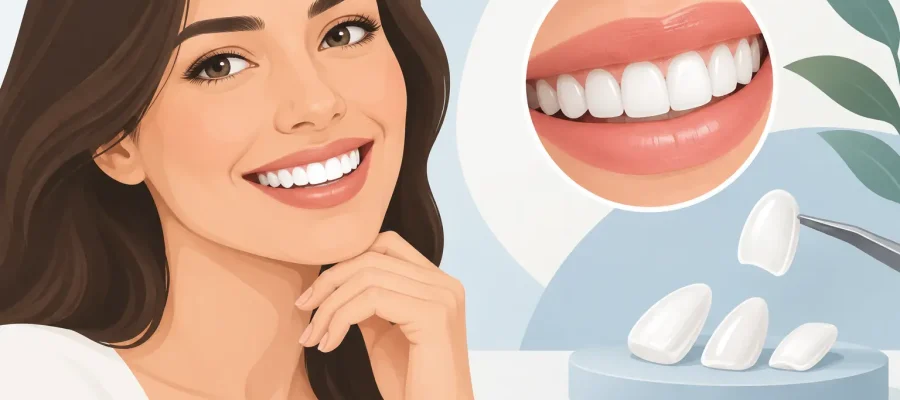
A beautiful veneer should not announce itself from across the room. It should make people think you look rested, polished, and more confident – then wonder what changed. So, do E-Max veneers look natural? They can look exceptionally natural when they are designed around your facial features, natural tooth structure, and the way light moves through your existing enamel.
The material matters, but it is not the whole story. A natural-looking result comes from disciplined planning: the right shade, surface texture, tooth proportions, gumline balance, and conservative preparation. Get those details right, and E-Max can create a refined smile that looks like an elevated version of you, not a set of identical white shells.
Why E-Max veneers can look so lifelike
E-Max is a high-strength glass-ceramic known for its translucency. Natural enamel is not a flat block of white. It reflects and scatters light, with subtle depth, warmer tones near the gumline, and a more translucent edge near the biting surface. Quality E-Max ceramics can reproduce much of that optical behavior better than more opaque materials.
That translucency is especially valuable for patients who want a bright but believable result. Rather than looking chalky under daylight, flash photography, or close conversation, a well-made E-Max veneer can have dimension. The final color is built in layers through ceramic selection, shade mapping, and the color of the tooth beneath it.
E-Max also allows for very thin restorations in appropriate cases. When less natural enamel needs to be removed, the veneer can blend more naturally at the edges. Preserving enamel is not simply a conservative clinical choice – it can directly support a more convincing visual transition between veneer and tooth.
What actually determines whether E-Max veneers look natural
A premium ceramic cannot rescue a generic smile design. The most natural results are engineered before the veneer is fabricated.
Facial and smile proportions
Your teeth should fit your face, not a social media template. Tooth length, width, shape, and the amount of tooth visible when you speak or smile all influence the result. A strong, square shape may suit one patient beautifully, while a softer contour or slightly rounded incisal edge may look more natural on another.
A skilled clinician also considers your lip line, facial symmetry, gum display, and age. Very long, intensely white teeth can look striking in photos, but they may not be the right choice for every face or professional setting. The goal is not always the whitest smile. It is the smile that looks intentional, healthy, and unmistakably yours.
Shade selection is more than choosing white
Patients often arrive with a shade in mind, such as a bright Hollywood Smile white. That can be achievable, but a natural result depends on how the shade is managed. Teeth with no variation in color can appear artificial, particularly in direct sunlight.
A more sophisticated approach may include slight translucency at the edges, carefully controlled brightness, and subtle tonal differences from one tooth to the next. This does not mean the smile will look dull or uneven. It means it will have the visual depth real teeth have.
The underlying tooth color matters too. If teeth are deeply stained, very dark, or have old restorations, a thin translucent veneer may allow that color to show through. In those cases, the dentist may recommend a different ceramic opacity, whitening before treatment, or another restoration option to reach the desired shade without creating a gray or unnatural result.
Conservative preparation and precise margins
Natural-looking veneers disappear into the tooth. That requires precise preparation and a clean, controlled finish line where the ceramic meets enamel. If veneers are too bulky, they can make teeth look thick or create a heavy contour near the gums.
The right amount of preparation depends on your starting point. Teeth that are already slightly small, worn, or spaced may need minimal alteration. Prominent or crowded teeth may require more reshaping to create an even, balanced result. A no-prep veneer is not automatically better if it creates excess thickness. The best approach is the one that protects healthy structure while allowing the veneer to sit naturally.
Gumline balance
Even the most beautiful veneers can look unfinished if the gumline is uneven, inflamed, or disproportionate. In some smile makeover cases, gum contouring is part of the plan. This can reveal more tooth structure, create better symmetry, and give veneers a cleaner frame.
Healthy gums are essential. Before cosmetic treatment, any gum disease, decay, or bite issue should be addressed. A luxury smile result should be built on stable oral health, not placed over problems that will compromise it later.
Digital Smile Design removes the guesswork
The best time to question a smile design is before your teeth are prepared. Digital Smile Design allows the dentist to evaluate your facial photos, smile line, tooth proportions, and bite, then create a visual plan for the final result.
At DRGO Smile Clinic, this planning can include 3D previews and a trial smile so you can assess the proposed shape, length, and overall character before final placement. You can ask for a more natural texture, a softer shape, a brighter shade, or less visible length. That collaboration matters because “natural” is personal. For some patients, it means a barely detectable enhancement. For others, it means a polished, camera-ready smile that still suits their face.
A mock-up also helps the clinical team check speech, lip support, and bite function. The goal is not to create a smile that only works in a photograph. It should feel comfortable when you talk, laugh, eat, and live your life.
When E-Max may not be the best choice
E-Max is an outstanding veneer material, but it is not the answer for every mouth. Patients with severe grinding or clenching may need bite management first, such as a protective night guard. In some high-force cases, another restorative approach may be more appropriate for posterior teeth or heavily damaged teeth.
E-Max veneers are also not designed to replace missing teeth or correct major structural damage. If a tooth has a large filling, extensive decay, a root canal, or significant fractures, a crown may provide more complete protection. For missing teeth, dental implants or a bridge may be needed before cosmetic refinements begin.
There is also a difference between correcting minor alignment concerns and using veneers to mask significant orthodontic issues. Veneers can improve the appearance of mild crowding, gaps, and uneven edges. However, moving teeth with orthodontic treatment may be healthier and more conservative when the misalignment is substantial.
An ethical smile plan explains these trade-offs clearly. The fastest option is not always the best option. The right option is the one that delivers the look you want while protecting function, enamel, and long-term stability.
How to keep E-Max veneers looking natural over time
The ceramic itself is highly resistant to staining, but the surrounding teeth and the bonding margins still need care. Brush twice daily with a non-abrasive toothpaste, floss consistently, and maintain professional cleanings. If you drink coffee, red wine, or tea regularly, your natural teeth can darken while the veneers remain stable in color. Periodic whitening of untreated teeth may help maintain a consistent smile.
Avoid using your veneers as tools to open packages or bite hard objects. If you clench or grind, wear the night guard recommended by your dentist. Protecting the bite protects the veneers, the bonding, and the natural teeth underneath.
The most convincing E-Max veneers are never about copying someone else’s smile. They are about precise choices that make your own features look sharper, healthier, and more confident – with a result that still feels natural every time you see it in the mirror.