


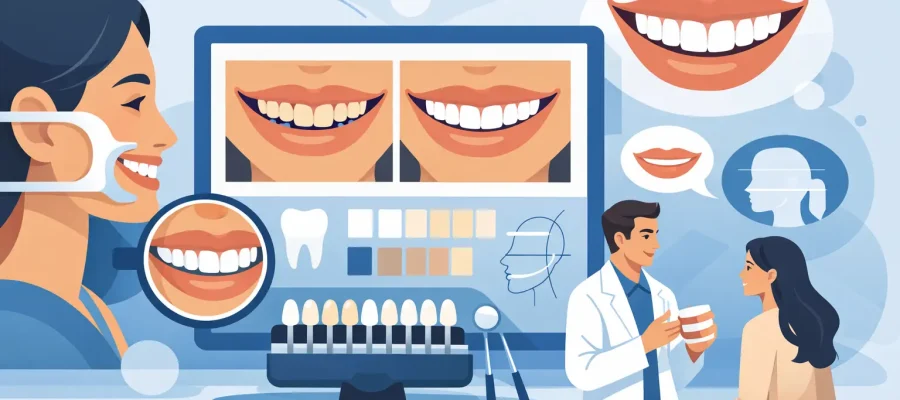
A beautiful smile is not created by choosing the whitest shade or placing the most veneers. It is designed around your face, your bite, your gum line, and the way you want to be seen. The complete guide to smile design begins with that distinction: a signature smile should look striking in photos and feel natural when you speak, laugh, and eat.
For international patients, this matters even more. You are making a meaningful investment, often on a defined travel schedule. The right plan replaces guesswork with a clear visual outcome, a realistic treatment timeline, and clinical decisions that protect long-term oral health.
What Smile Design Actually Means
Smile design is a personalized cosmetic and restorative treatment plan that improves the visible balance of teeth, gums, lips, and facial features. It may involve veneers, zirconium crowns, whitening, gum contouring, implants, or orthodontic preparation. Not every patient needs every treatment.
The goal is not to copy someone else’s smile. A Hollywood Smile can be bright, refined, and camera-ready, but the best version still suits the patient wearing it. Tooth length, facial proportions, lip movement, skin tone, and personality all influence the final result.
A strong smile design also respects function. Teeth must meet correctly, restorations need sufficient support, and any active decay or gum disease must be treated before cosmetic work begins. A smile that looks flawless on day one but ignores bite forces is not premium dentistry.
The Complete Guide to Smile Design Starts With Digital Planning
The planning stage is where predictable results begin. Rather than selecting restorations from a catalog, a clinician gathers detailed photographs, digital scans, X-rays, and bite records. These reveal what is visible from the front and what must work behind the scenes.
Digital Smile Design uses this information to map the proportions of the new smile against your face. With 3D previews and digital mock-ups, you can see proposed tooth shape, length, alignment, and color before final treatment begins. This is especially valuable for patients traveling to Istanbul because it creates alignment between your expectations and the clinical plan before your appointment schedule is finalized.
The preview is a planning tool, not a promise that biology can be ignored. Existing tooth structure, gum health, bite position, and bone levels may require adjustments. A quality clinic explains these limits clearly and shows you why a recommended change supports a more durable result.
The Questions Your Smile Design Should Answer
Before treatment, you should know whether your concern is mainly color, shape, spacing, worn edges, missing teeth, a gummy smile, or a combination of issues. You should also understand which teeth will be treated, how much preparation is needed, whether temporary restorations are involved, and how many visits are required.
Ask to see the proposed shade in context. Ultra-white can look dramatic and luxurious, but it is not automatically the best choice for every complexion, age, or professional setting. Natural-looking brightness often comes from selecting the right translucency and surface texture, not simply choosing the lightest color.
Choosing the Right Treatment for Your Smile
Smile design is a framework. The procedures inside it depend on your starting point and the outcome you want.
E-Max Veneers for Shape, Color, and Symmetry
E-Max veneers are thin ceramic shells bonded to the front surface of teeth. They are commonly chosen to correct discoloration, small gaps, uneven edges, minor crowding, and teeth that appear too short or narrow. Their translucency can create a highly natural finish, particularly for front teeth.
Veneers are conservative when the teeth are healthy and appropriately positioned, but they are not always the right answer. Severe grinding, major bite problems, very large fillings, or heavily damaged teeth can make crowns or other treatments a better choice. The amount of enamel available also matters because strong bonding depends on careful preparation.
Zirconium Crowns for Strength and Full Coverage
Zirconium crowns cover the entire tooth and are often recommended when a tooth is significantly weakened, cracked, heavily filled, root canal treated, or already crowned. Modern zirconium can offer excellent strength with a refined, lifelike appearance.
For a full smile makeover, crowns may be part of a coordinated plan when many teeth need structural rebuilding. This approach typically requires more tooth preparation than veneers, so it should be recommended for clinical reasons, not simply because it is faster to describe.
Whitening and Gum Aesthetics for High-Impact Refinement
Sometimes the biggest transformation does not require extensive ceramic work. Professional whitening can brighten healthy natural teeth, while gum contouring can improve the frame around a smile by balancing uneven gum levels or reducing the appearance of a gummy smile.
Gum treatment must be planned carefully. The visible gum line is connected to the underlying bone and tooth support, so aesthetic contouring should never compromise periodontal health. When planned correctly, small changes to the gums can make teeth appear more even and proportional.
Implants When Missing Teeth Change the Plan
A missing tooth affects more than a photo. It can change chewing forces, allow nearby teeth to shift, and gradually reduce bone volume. Dental implants replace the root structure and support a crown, bridge, or full-arch restoration.
For patients with several missing or failing teeth, All-on-4 or All-on-6 treatment may offer fixed teeth immediately in suitable cases. Eligibility depends on bone quality, infection control, bite forces, and overall health. Some patients need bone grafting or a sinus lift first, while others can receive immediate implants and provisional teeth during the same trip.
From Consultation to Final Smile: What the Process Looks Like
A premium smile makeover should feel organized from the first consultation onward. You share photos, goals, and dental history, then receive an initial assessment of suitable options, expected timing, and package details. Once in the clinic, the team confirms the plan with in-person examinations, scans, and imaging.
If ceramic restorations are part of your treatment, the next stage may include tooth preparation, digital impressions, and temporary teeth. These temporaries are more than a waiting-room step. They allow the design to be tested for comfort, speech, tooth length, and overall appearance before final ceramics are placed.
CAD/CAM workflows can shorten production time significantly, making one-visit crowns possible for selected cases. More complex full-mouth cases often need additional appointments because precision cannot be rushed. The best schedule is the one that gives your bite, gums, and final restorations the attention they require.
At the try-in stage, assess the smile under normal lighting, not only the clinic mirror. Speak, smile broadly, and check how your lips frame the teeth. Your dentist should evaluate contacts between teeth, bite balance, shade, symmetry, and gum response before final bonding or cementation.
How to Plan a Smile Makeover Trip With Confidence
International dentistry should be convenient without feeling impersonal. A well-managed treatment journey coordinates clinical appointments with arrival, hotel, transfers, interpreters, and time to rest between longer sessions. At DRGO Smile Clinic, that concierge structure is designed to keep the travel experience focused on your result rather than logistics.
Still, do not let a short timeline pressure you into skipping essential diagnostics. Send recent X-rays if available, disclose medications and medical conditions, and be candid about grinding, jaw pain, smoking, or past dental anxiety. These details affect both the treatment recommendation and the healing timeline.
Plan for aftercare, too. You may need a night guard if you clench or grind. You will need regular hygiene visits wherever you live, and you should know how the clinic handles follow-up questions after you return home. Premium dentistry includes a plan for protecting the result, not just delivering a dramatic before-and-after.
The Result Should Look Designed, Not Manufactured
The most memorable smile makeovers combine brightness with individuality. They do not rely on identical square teeth, exaggerated bulk, or a shade that overwhelms the face. A better result has controlled symmetry, natural variation, balanced proportions, and the confidence that comes from knowing your teeth function as beautifully as they look.
If you are considering a smile makeover for a wedding, a career milestone, a public-facing role, or simply the moment you decide to stop hiding your smile, begin with a digital consultation and ask to see the plan. The right design gives you something more valuable than a quick cosmetic change: a result you will be comfortable showing every day.