


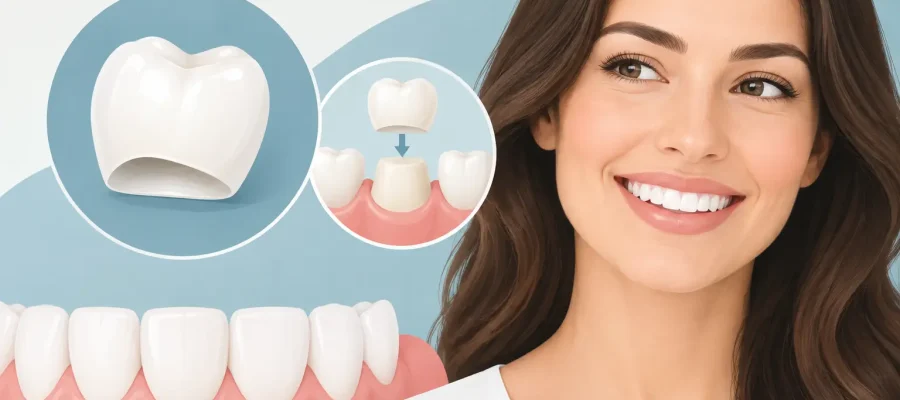
A front tooth that has darkened after root canal treatment, a cracked molar, or a smile with old, mismatched restorations can each call for a very different solution. Patients often ask, when are zirconium crowns used? The answer is when a tooth needs more than a cosmetic surface change and the goal is to restore its strength, shape, and appearance with a precisely designed full-coverage restoration.
Zirconium crowns, more accurately called zirconia crowns, are a premium option for patients who want high strength without the dark metal line associated with traditional porcelain-fused-to-metal crowns. They can be designed to look beautifully natural, but they are not a one-size-fits-all shortcut to a Hollywood Smile. The best result begins with an honest diagnosis, a digital plan, and the right restoration for every tooth.
When Are Zirconium Crowns Used for a Smile?
A crown covers the entire visible portion of a tooth. Unlike a veneer, which primarily covers the front surface, a zirconium crown is chosen when the tooth structure needs reinforcement as well as aesthetic improvement. It becomes part of the tooth’s long-term protection plan.
Zirconium crowns are often used after significant decay, fractures, large failing fillings, or root canal treatment. In each case, the remaining natural tooth may be too weakened to reliably support a smaller restoration. A custom crown distributes biting pressure around the tooth and restores a stable shape for chewing.
They are also widely used to replace old crowns that have become discolored, chipped, poorly fitted, or visibly dark at the gumline. For patients planning a complete smile transformation, zirconia can create consistency across teeth that have different starting conditions. One tooth may need a crown because it is heavily restored, while neighboring healthy teeth may be better suited to veneers or whitening. The smile should be designed as a complete composition, not treated with the same procedure everywhere.
The Cases That Benefit Most From Zirconia
Teeth with major structural damage
A tooth with a large cavity or a filling that takes up much of its surface is more likely to crack under daily chewing pressure. The same is true for a tooth that has lost a cusp, has a deep fracture, or has been weakened by previous treatment. A zirconium crown gives that tooth a new, durable outer structure.
Molars and premolars are especially strong candidates because they carry the heaviest bite forces. Zirconia’s fracture resistance makes it a reliable material for back teeth, including patients who clench or grind their teeth. If grinding is active, however, the crown is only part of the plan. A custom night guard may be recommended to protect both the restoration and natural teeth.
Root canal-treated teeth
After root canal treatment, a tooth can become more brittle because of the amount of tooth structure lost to decay, infection, and treatment access. Not every root canal-treated tooth automatically requires a crown, but many do, particularly back teeth and teeth with extensive loss of structure.
A well-designed zirconium crown can protect the tooth from splitting and restore a natural bite. Before placement, the infection must be properly treated and the foundation of the tooth must be sound. If the remaining structure is limited, a post and core may be used to support the final restoration.
Visible teeth that need both strength and beauty
Modern multilayer zirconia is not the opaque material many patients imagine. It can be selected in different translucencies and shades, allowing the dentist to create a bright, refined result while still respecting the character of a natural smile.
For front teeth, the material selection depends on the case. Zirconia is ideal when a front tooth needs substantial reinforcement, when there is deep underlying discoloration to mask, or when an old crown must be replaced with a stronger, more natural-looking option. For a highly translucent front tooth with minimal damage, an E-Max veneer or crown may sometimes offer a more lifelike optical effect. The right choice depends on tooth condition, bite, gum line, and the desired smile shade.
Dental implant restorations
Zirconia is also commonly used for implant crowns. Once an implant has integrated with the bone and the gum tissue is healthy, a custom zirconia crown can be placed on top to replace a missing tooth. Its strength and color stability make it an excellent option, especially for posterior implants and many smile-zone cases.
Implant crowns must be planned with exceptional precision. The crown should look natural, but it must also be shaped to support healthy gums and allow easy cleaning. Digital scanning and bite analysis help create a restoration that functions like part of the natural smile rather than looking like an isolated replacement tooth.
Zirconium Crowns vs. Veneers: The Key Difference
Patients seeking a fast cosmetic transformation often compare crowns and veneers, but they solve different problems. A veneer is a conservative aesthetic solution for a tooth that is fundamentally healthy and structurally sound. It can refine color, shape, proportion, small gaps, and minor chips while preserving more natural enamel.
A zirconium crown is the better option when the tooth already has extensive damage, a large restoration, severe discoloration, or a compromised structure. Preparing a tooth for a crown requires reduction around the entire tooth, so it should never be recommended solely because it is convenient or because a patient wants whiter teeth.
This distinction matters in smile makeover planning. A high-end result is not defined by making every tooth look identical. It is defined by choosing the most conservative, stable treatment for each tooth, then designing all of those treatments to work together in color, contour, and proportion.
What to Expect During Zirconium Crown Treatment
The first stage is a clinical and aesthetic assessment. Your dentist evaluates the tooth, gum health, bite, X-rays, existing restorations, and smile goals. For international patients, this planning can begin remotely with photographs and preliminary information, followed by a detailed in-clinic examination before treatment is confirmed.
At DRGO Smile Clinic, Digital Smile Design can map the planned tooth shapes, smile line, and proportions before final restorations are made. A 3D preview gives patients a clearer view of the direction of their new smile and allows adjustments before the final design is produced.
Next, the tooth is prepared only as much as necessary to create room for the crown. If decay or an old restoration is present, it is removed and the tooth is rebuilt where needed. A digital scan captures precise measurements without the discomfort of traditional impression material.
A temporary crown may be placed while the final crown is created, depending on the treatment plan. For suitable cases, advanced CAD/CAM workflows can shorten the process significantly and may allow one-visit crown treatment. More complex smile makeovers, multiple crowns, gum contouring, or implant cases require a longer schedule to allow for try-ins, tissue healing, and fine aesthetic adjustments.
At the final appointment, the zirconium crown is tried in for fit, shade, bite, and smile harmony. The dentist checks how it contacts neighboring teeth, how it meets the opposing bite, and how the crown sits against the gum line. It is then bonded or cemented securely once every detail meets the plan.
How Long Do Zirconium Crowns Last?
With skilled planning, good oral hygiene, and regular dental checks, zirconium crowns can last many years. Their longevity depends on more than the material itself. Bite forces, grinding, gum health, home care, and the precision of the crown fit all matter.
Brush twice daily with a non-abrasive toothpaste, clean between teeth every day, and attend professional hygiene appointments. Avoid using crowned teeth to open packages or bite very hard objects. If you wake with jaw tension, headaches, or worn teeth, ask about bruxism protection before it damages a new restoration.
A zirconium crown should feel like a natural tooth, not like a cosmetic accessory you need to manage carefully. When the diagnosis is right and the planning is disciplined, it can restore confidence at dinner, in photographs, and in every close conversation. The most valuable next step is a personalized assessment that shows what your teeth truly need before you commit to a new smile.