


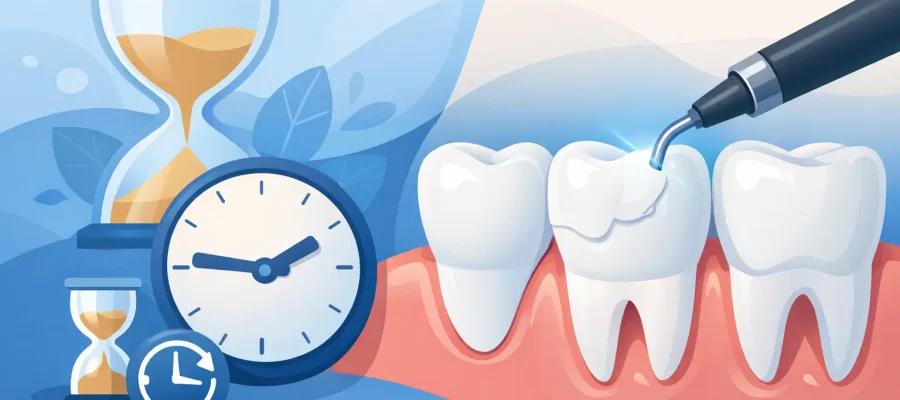
A small chip on a front tooth can change the way you smile in photos, speak in meetings, or show up on camera. That is usually when patients ask the practical question first: dental bonding how long does it last? The honest answer is that bonding is not built to last as long as veneers or crowns, but in the right case, with the right habits, it can deliver a polished, natural-looking result for years.
Dental bonding is one of the fastest cosmetic fixes in modern dentistry. It uses a tooth-colored composite resin to reshape a tooth, close minor gaps, soften uneven edges, or improve the look of discoloration. It is conservative, usually affordable, and often completed in a single visit. The trade-off is durability. Bonding is strong enough for everyday use, but it is still more vulnerable to staining, chipping, and wear than porcelain.
Dental bonding how long does it last in real life?
In most cases, dental bonding lasts between 3 and 10 years. That is a wide range because bonding performance depends less on the material alone and more on where it is placed, how your bite works, and how you use your teeth every day.
A small cosmetic repair on the edge of a front tooth may last several years if your bite is stable and you do not grind your teeth. Bonding on a tooth that takes heavy pressure, especially if you bite your nails, chew ice, or clench at night, may need touch-ups sooner. Some patients keep the same bonding for many years. Others need polishing, reshaping, or replacement within a shorter window.
If you want the simplest version of the answer, think of bonding as a medium-term aesthetic solution. It is excellent for fast improvement, but it is not usually the forever option.
What affects how long dental bonding lasts?
The location of the bonding
Bonding on front teeth often looks beautiful because composite resin can be shaped with impressive detail. But front teeth also take direct impact from biting into food. If the bonded area is on the edge of the tooth, it is more exposed to fracture than bonding placed on a smoother surface.
Back teeth are a different story. They handle far more force. In some situations, composite works well there too, but wear is more likely because chewing pressure is higher.
Your bite and jaw habits
This is one of the biggest factors. If you clench or grind, even slightly, bonding may break down faster. Many patients do not realize they grind until they start seeing chips, flattening, or jaw tension. A beautifully placed restoration can still fail early if the bite overloads it every night.
That is why good cosmetic dentistry is not just about shade and shape. It is also about planning the mechanics of your smile. If the forces are wrong, the result will not stay refined for long.
The size of the repair
A tiny bonded correction usually lasts longer than a large build-up. The more resin a tooth depends on for its final shape, the more stress the material carries. Closing a very small gap is not the same as rebuilding half a front tooth.
Patients sometimes compare bonding and veneers because both can improve the smile line quickly. The difference is that veneers, especially high-quality porcelain options, are generally designed for greater long-term stability in larger aesthetic cases.
Your eating and lifestyle habits
Composite resin can stain over time. Coffee, tea, red wine, tobacco, and deeply pigmented foods can dull the finish faster than many people expect. Bonding does not resist discoloration the way porcelain does.
Hard habits matter too. Opening packages with your teeth, chewing pen caps, crunching ice, or biting into very hard foods can shorten the life of bonded teeth. Even if the tooth does not chip right away, repeated stress adds up.
The skill of the dentist
Bonding looks simple from the outside, but excellent bonding is technique-sensitive. Surface preparation, layering, shaping, curing, and bite adjustment all affect how well it performs. A natural-looking finish is one thing. A restoration that blends well and lasts is another.
In aesthetic dentistry, precision matters. The best result is not just a quick fix. It is a carefully engineered one.
How do you know when bonding needs to be replaced?
Bonding does not usually fail all at once. More often, it starts to show small signs of wear. You may notice staining around the edges, a rougher texture, minor chipping, or a shape that no longer looks as smooth and crisp as it once did.
Sometimes the issue is functional rather than cosmetic. Your bite may feel uneven, or the bonded area may start catching on floss. In many cases, the solution is not a full redo. A simple polish or repair can refresh the result.
That is one reason bonding remains attractive. It is adaptable. If your smile goals change later, or if you want to upgrade to veneers or another long-term option, bonding often gives you a conservative place to start.
Is dental bonding worth it if it does not last forever?
For the right patient, absolutely. Bonding is often worth it because of the speed, simplicity, and immediate visual payoff. If you have a small chip before a wedding, a visible gap that bothers you in photos, or one tooth that throws off an otherwise attractive smile, bonding can make a dramatic difference without major preparation.
It is especially valuable when you want a more conservative treatment. Not every case needs veneers or crowns. Sometimes a precise, minimalist correction is the smartest move.
The key is expectation. If you want a fast cosmetic upgrade with little downtime, bonding is excellent. If you want maximum longevity, stain resistance, and structural control across multiple teeth, porcelain restorations may be the better investment.
How to make dental bonding last longer
Protect it from pressure
If you grind your teeth, a night guard can make a major difference. It helps reduce the stress that causes chips and early wear. If your bite is uneven, adjustments may also improve longevity.
Keep staining habits in check
You do not have to give up coffee forever, but it helps to rinse with water after dark beverages and keep up with professional cleanings. Smoking will age bonding faster, both in color and overall appearance.
Treat bonded teeth like teeth, not tools
Do not bite ice, tear open packaging, or use your teeth to hold objects. Bonding is durable, but it is not indestructible.
Stay consistent with maintenance
Regular exams matter because small issues are easier to correct than major fractures. A polished touch-up at the right time can keep the restoration looking expensive and natural.
Bonding vs veneers for longevity
If your main question is lifespan, veneers usually win. Porcelain veneers often last 10 to 15 years or longer with good care, and they resist stains far better than composite bonding. They also hold their gloss and shape more predictably.
That does not mean bonding is the lesser choice in every case. It means the treatment should match the goal. Bonding is ideal for modest corrections, first-step smile upgrades, and patients who want a faster, more conservative option. Veneers are better suited for broader transformations where long-term aesthetics matter just as much as immediate improvement.
This is where planning becomes valuable. A premium cosmetic result is not about choosing the most expensive treatment by default. It is about choosing the right material for your smile design, timeline, and expectations.
Who is a good candidate for dental bonding?
Bonding works best for patients with small to moderate cosmetic concerns, healthy enamel, and a relatively stable bite. It is often a smart option for chipped edges, slight spacing, shape asymmetry, and isolated discoloration that does not respond well to whitening.
It may be less ideal if you have heavy grinding, extensive damage, or want a full smile makeover with maximum durability and color stability. In those cases, your dentist may recommend porcelain-based options instead. At DRGO Smile Clinic, that distinction matters because the goal is not simply to finish treatment quickly. It is to deliver a result that still looks intentional, balanced, and camera-ready after the trip is over.
If you are considering bonding, ask a better question than how long it can last on paper. Ask how long it is likely to last on your teeth, with your bite, your habits, and your goals. That is where good cosmetic dentistry starts – with a plan that fits your real life.