


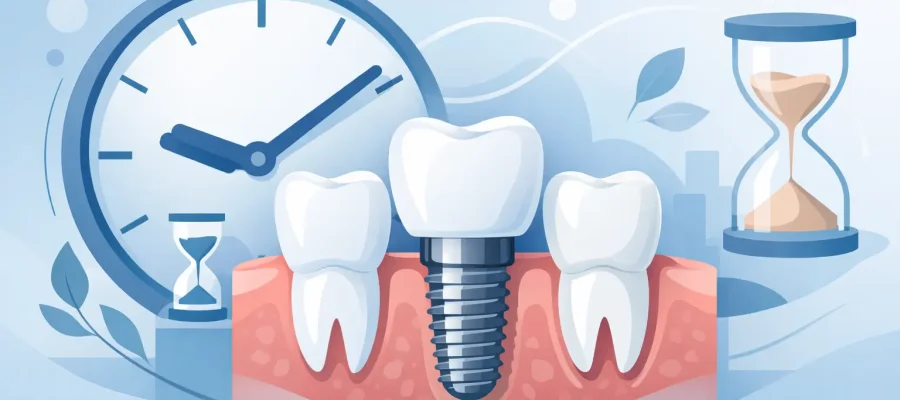
If you are investing in dental implants, you are not asking for a temporary fix. You want teeth that look right, feel stable, and stay with you for years. That is why one of the first questions patients ask is how long do dental implants last – and the honest answer is longer than many people expect, but not forever in exactly the same way.
The implant itself, which is the titanium post placed in the jawbone, can often last 20 years or more. In many cases, it lasts for decades. Some patients keep their implants for life. The restoration attached to it – such as a crown, bridge, or full-arch prosthesis – usually has a different timeline. That visible part takes the daily wear of chewing, grinding, temperature changes, and bite pressure, so it may need repair or replacement sooner.
That distinction matters. When people talk about implant longevity, they often mean the whole result. Clinically, there are really two questions: how long the implant fixture lasts inside the bone, and how long the tooth or teeth on top last before maintenance is needed.
How long do dental implants last in real life?
A well-placed implant in healthy bone has an excellent long-term outlook. With precise planning, correct bite balance, and good oral hygiene, the implant post itself can remain stable for 20 to 30 years, and sometimes much longer. This is why implants are considered one of the most durable tooth-replacement options in dentistry.
The crown on a single implant often lasts around 10 to 15 years before replacement becomes likely, though many last longer. Full-arch restorations such as All-on-4 or All-on-6 can also perform for many years, but they require maintenance because they manage much heavier functional load. Materials, bite forces, and habits all influence that timeline.
So if you want the short version, the implant can be a long-term foundation, while the visible restoration is the part most likely to need updating first.
What makes dental implants last longer?
Implant success is not luck. It comes from planning, biology, and maintenance working together.
The first factor is bone quality and volume. An implant needs strong support in the jaw. If bone has shrunk after tooth loss, extra preparation such as grafting or a sinus lift may be needed to create a stable foundation. Skipping that step to save time can shorten the life of the case.
The second factor is placement accuracy. Implant position affects everything: appearance, chewing force, cleanability, and how the final crown or bridge sits in the bite. A beautifully engineered result is not just cosmetic. It protects the implant from uneven stress over time.
The third factor is the bite. If the restoration is too high, poorly balanced, or exposed to constant overload, parts can loosen, chip, or wear down prematurely. This is especially relevant for patients who grind their teeth or have strong masseter muscles. Even a premium implant system can struggle under chronic excess force.
Then there is oral hygiene. Implants do not get cavities, but the gum and bone around them can still become inflamed. Plaque buildup can lead to peri-implant mucositis or peri-implantitis, which is one of the main reasons implants fail after initially integrating well.
Smoking also changes the outlook. It reduces blood flow, slows healing, and increases the risk of inflammation and bone loss around implants. That does not mean every smoker will lose an implant, but it does make long-term success less predictable.
The part many patients do not realize: implants need maintenance
One reason implants have such a strong reputation is that they feel fixed and secure. That is exactly what patients want. But fixed does not mean maintenance-free.
A dental implant should be checked regularly, professionally cleaned, and monitored with imaging when needed. Small issues are easier to correct early. A loose screw, worn crown surface, or gum inflammation may be simple to manage if caught in time. Left alone, the same issue can become more expensive and more disruptive.
This matters even more for international patients who want treatment done efficiently. Speed is a major advantage when the clinic is organized, digitally planned, and experienced in immediate workflows. But long-term success still depends on aftercare, whether that is handled during follow-up visits abroad or coordinated with a local dentist at home.
How long do crowns, bridges, and full-arch teeth last on implants?
The implant post is usually the longest-lasting part of the system. The restoration above it has a more variable lifespan.
A single implant crown commonly lasts 10 to 15 years, sometimes longer with good care and a favorable bite. Porcelain can chip, margins can wear, and aesthetics may change over time, especially if neighboring natural teeth shift or darken.
An implant bridge can also last many years, but more units mean more surfaces under stress. Full-arch restorations require the highest level of bite control because they carry broad force across multiple implants. Acrylic hybrid arches may wear faster but can be easier to repair. Zirconia options are highly durable and aesthetic, though they still need precise planning and periodic review.
This is where premium implant dentistry separates itself from basic tooth replacement. The goal is not just osseointegration. It is a smile that looks refined, functions comfortably, and ages well.
Why some implants fail early and others last decades
Early implant failure usually happens before or shortly after the implant integrates with bone. Causes can include poor initial stability, infection, smoking, uncontrolled medical conditions, or excessive pressure during healing.
Late failure is different. These implants may have worked well for years before problems developed. The common causes are bone loss from inflammation, untreated grinding, poor hygiene, or prosthetic complications that create chronic overload.
That is why the best implant cases start with disciplined planning, not guesswork. The more complex the case, the more important that becomes. Immediate implants, same-day teeth, and full-arch rehabilitation can be excellent options, but only when bone support, bite design, and smile planning are handled with precision.
Can dental implants last a lifetime?
Yes, they can. But that phrase should be used carefully.
Some implants do last a lifetime, especially when they are placed in healthy conditions and maintained properly. Still, no ethical clinic should promise that every implant will last forever without future care. Your biology, habits, medical history, and bite all play a role.
A better way to think about it is this: implants are built to be a long-term solution, and with the right clinical approach, they can serve you beautifully for decades. The visible teeth on top may need maintenance or replacement along the way, but the underlying foundation can remain strong.
How to protect your implant investment
If you want your implants to last as long as possible, daily care matters just as much as the original treatment. Brush thoroughly, clean around the implant line, attend professional maintenance visits, and wear a night guard if you grind. If you smoke, reducing or stopping will improve the long-term outlook.
Just as important, choose a clinic that plans the case in full, not just the surgery. Implant success is about bone, soft tissue, bite, aesthetics, materials, and follow-up strategy. For patients traveling for treatment, that level of coordination becomes even more valuable because it creates predictability before you book your flight, not after.
At DRGO Smile Clinic, that is the standard patients expect: a result that is designed for longevity, not just speed, while still delivering the comfort and efficiency international patients want.
The best dental implants do more than replace missing teeth. They restore confidence in photos, at dinners, in meetings, and in the moments where you do not want to think about your smile at all. Lasting results come from treating implants as a precision investment – then giving them the care that keeps that investment performing at its best.